Learning the Fine Art of Traditional Japanese Plaster
2025-11-10
Let’s Talk Tiny: The Rise of Natural-Material Tiny Houses in Australia
2025-12-01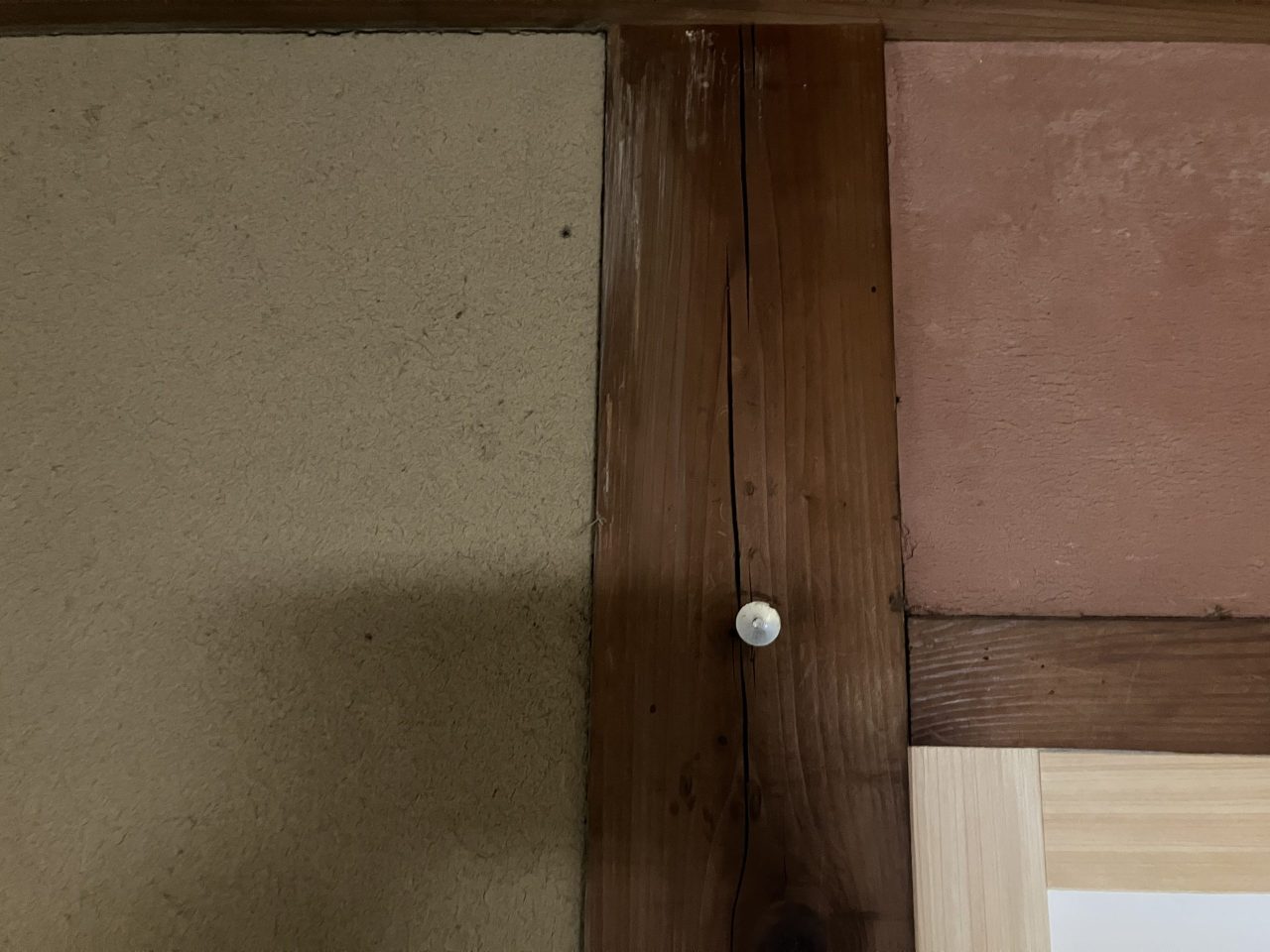
Choosing the right finish for clay or lime plaster isn’t just about aesthetics — it’s about moisture balance, durability, and keeping your natural home healthy for decades.
When you’re building or renovating a natural home — perhaps with straw bale, hemp-lime, cob, or clay plaster — the finishing stage feels both exciting and daunting. After weeks or months of smoothing, shaping and drying your walls, the question of what to put on the surface suddenly looms large. Should you seal it, paint it, limewash it, or leave it raw?
This is often when words like “breathability” and “vapour permeability” start to appear — sometimes interchangeably, sometimes confusingly. Yet these decisions are about far more than just colour or finish. They determine how your walls will manage moisture, resist mould, and stay healthy for decades.
Choosing the wrong finish can quietly trap vapour, leading to damp and decay within the wall. Choosing the right one, on the other hand, allows clay and lime to perform as they were meant to: regulating indoor humidity, buffering temperature swings, and keeping the home comfortable in all seasons.
Understanding Vapour Permeability
Vapour permeability describes how easily water vapour can move through a material. It’s what allows moisture inside a wall to diffuse and dry naturally, rather than condensing and causing damage. Permeability is measured in perms or sd-values: the lower the sd-value, the more vapour can pass through.
In natural buildings, vapour-permeable walls are fundamental. Clay, lime, timber and straw all rely on their ability to manage moisture passively. When this balance is preserved, interiors feel fresh, mould-free and naturally moderated in humidity — often without the need for mechanical systems.
Why “Breathable” Isn’t Quite Right
Within the natural building world, it’s common to hear walls described as “breathing.” It’s a helpful shorthand, but technically misleading. Walls should not breathe air; they should breathe vapour. A truly healthy wall is airtight yet vapour-permeable — sealed against uncontrolled air leaks but open enough for moisture vapour to pass through.
Airtightness maintains energy efficiency and comfort, while vapour permeability prevents condensation. Achieving both is the essence of good natural building design.
Clay and Lime — Nature’s Vapour-Open Finishes
Clay and lime plasters are both superbly vapour-open. Clay, especially when mixed with sand, hemp, or straw, is hygroscopic — it absorbs moisture when the air is humid and releases it when dry. Lime shares this quality, though slightly less intensely, and also brings an alkaline nature that resists mould growth.
Because of this, the surface treatment you choose should work with these materials rather than against them. Applying an impermeable sealer or synthetic paint blocks the vapour flow that clay and lime depend upon, effectively neutralising their moisture-regulating qualities.
A better approach is to stabilise rather than seal — using light, breathable treatments that strengthen the surface but preserve permeability.
Sealing or Leaving Plaster Raw
A raw clay or lime surface has a beauty and softness that is difficult to match. It shows the texture and character of the hand-applied plaster and allows the wall to continue moderating humidity with full effectiveness. In bedrooms, sitting rooms and other low-contact areas, leaving the surface unsealed gives the truest expression of the materials.
However, a completely raw surface can also be fragile. Clay plasters, in particular, can dust slightly, and they readily absorb grease or water splashes. In busy rooms or near sinks, a light stabilising coat adds practicality without closing the surface.
One effective traditional method involves brushing on a thin casein wash made from milk proteins, working upwards with a wide brush. This gently binds the loose particles, reducing dusting and controlling the absorption of later coats. Once this layer has cured, a clay or chalk paint can be applied — both remain highly vapour-permeable. The first coat of paint is often thinned slightly to encourage it to penetrate and unify the surface.
Lime plasters benefit from similar care. A simple limewash, made from lime putty, water, and pigment, offers excellent permeability while discouraging mould and bacteria. Pigments can be added for colour, or the lime left natural for its luminous white tone.
The Role of Natural Binders
Across cultures, builders have long developed gentle, organic binders to stabilise clay and lime without impeding vapour flow. In Mexico, for instance, traditional craftspeople use baba de nopal — the mucilage released by soaking the pads of the prickly pear cactus (nopal) in water. After several days, the liquid thickens into a natural gel, rich in polysaccharides. This “cactus water” can be strained and mixed into limewash or clay paint to improve adhesion, smooth application, and prevent cracking. It keeps the finish supple while allowing full permeability.
In Japan, a similar tradition exists using seaweed glue. Dried kelp or agar-agar is rinsed and simmered in water until it releases its gelatinous compounds. The resulting liquid is strained and added to fine finishing plasters or paints. Seaweed glue lends a silkier texture and a little extra strength to delicate top coats, producing a refined surface that remains completely vapour-open.
These natural binders demonstrate a universal principle in traditional building: durability and breathability need not be opposites. By using locally available organic materials, builders across the world found ways to strengthen finishes while preserving their moisture-handling abilities.
Casein: A Classic Natural Stabiliser
Casein, the protein found in milk, has been used for centuries as a natural binder. It forms a gentle, breathable film that strengthens a plaster’s surface without sealing it. Casein can be made at home from curdled milk or purchased as a powder.
To make a simple stabilising wash, dissolve casein powder in warm water and let it sit until it forms a smooth solution. For greater strength, lime putty can be added, creating a mild chemical reaction that binds the two ingredients into a durable, alkaline medium.
Some builders enhance their casein wash with a little mica powder for a soft shimmer, bringing subtle life to the surface without compromising its permeability. The mix can be brushed on in upward strokes to prevent streaking and achieve an even, velvety finish.
To Stabilise, Not to Seal
A vital distinction in natural finishing is between stabilising and sealing. Sealing implies trapping — creating a non-permeable film that locks moisture inside. Stabilising, by contrast, means lightly binding a surface so it’s cohesive yet still breathable.
Casein, limewater, cactus mucilage and seaweed glue all fall into the stabilising category. They offer just enough consolidation to make a clay or lime wall practical for everyday life, without interfering with its natural vapour balance.
Modern “Natural” Paints — A Word of Caution
Not all products marketed as “clay paint” or “lime paint” are truly vapour-permeable. Many commercial formulations include acrylic or resin binders that sharply reduce permeability. These paints can look traditional but behave more like plastic films, trapping moisture and undermining the health of the wall.
Always check the vapour permeability rating. In Europe, a good rule of thumb is to look for an sd-value below 0.05 metres — the lower, the better. When in doubt, make your own finishes from lime putty, clay, chalk and natural pigments, or choose brands that publish their permeability data clearly.
The Importance of Vapour Balance
Permeability is not just about materials; it’s about balance. In cold climates, walls experience more days of heating than cooling, so the inner surface should be slightly less permeable than the outer one. This drives moisture outward and prevents condensation within the wall. In hot, humid regions, the opposite applies — the outer surface should resist vapour a little more, pushing moisture back toward the interior where it can evaporate safely.
Understanding this gradient is essential in straw bale, hempcrete, and other composite wall systems. A well-balanced vapour profile allows moisture to travel predictably through the wall, never lingering long enough to cause decay.
Practical Approach
For clay walls, start by dusting the surface, then brush on a thin casein wash from bottom to top. Once dry, apply a clay or chalk paint, thinning the first coat to encourage good adhesion. If extra sparkle or character is desired, mica can be added. Avoid linseed oils or synthetic sealers unless specifically confirmed as vapour-open.
Lime walls respond beautifully to traditional limewash — pure, mineral, and fully permeable. For added colour, use natural pigments; for water resistance in small splash areas, consider a tadelakt finish or, in very limited zones, a durable modern paint.
The Heart of Natural Finishing
Clay and lime are living materials — porous, responsive, and capable of regulating the environment around them. Their effectiveness depends entirely on remaining vapour-open. The moment they are sealed with impermeable coatings, their ability to moderate humidity and self-balance is lost.
The best finishes, therefore, are not about isolating or enclosing the material, but about enhancing its natural resilience. A lightly stabilised clay or lime wall — strengthened with milk, cactus, or seaweed — continues to breathe, absorb, and release moisture gracefully.
In this way, the walls of a natural home are not static barriers but dynamic membranes, quietly managing the exchange of water and air that keeps the building dry, warm, and alive.
There are also some great pre-mixed paints out there, (shout out to Porters Limewash) that you can use to finish certain surfaces, but make sure you do your research on whether it will help or hinder what you are trying to achieve.