Natural Walls and Hydronic Heating in Australia: How They Work Together and When They Don’t
2026-04-24
Ancient Secrets for Stronger Natural Plasters: Nopal, Casein, and Natural Additives That Stand the Test of Time
2026-06-08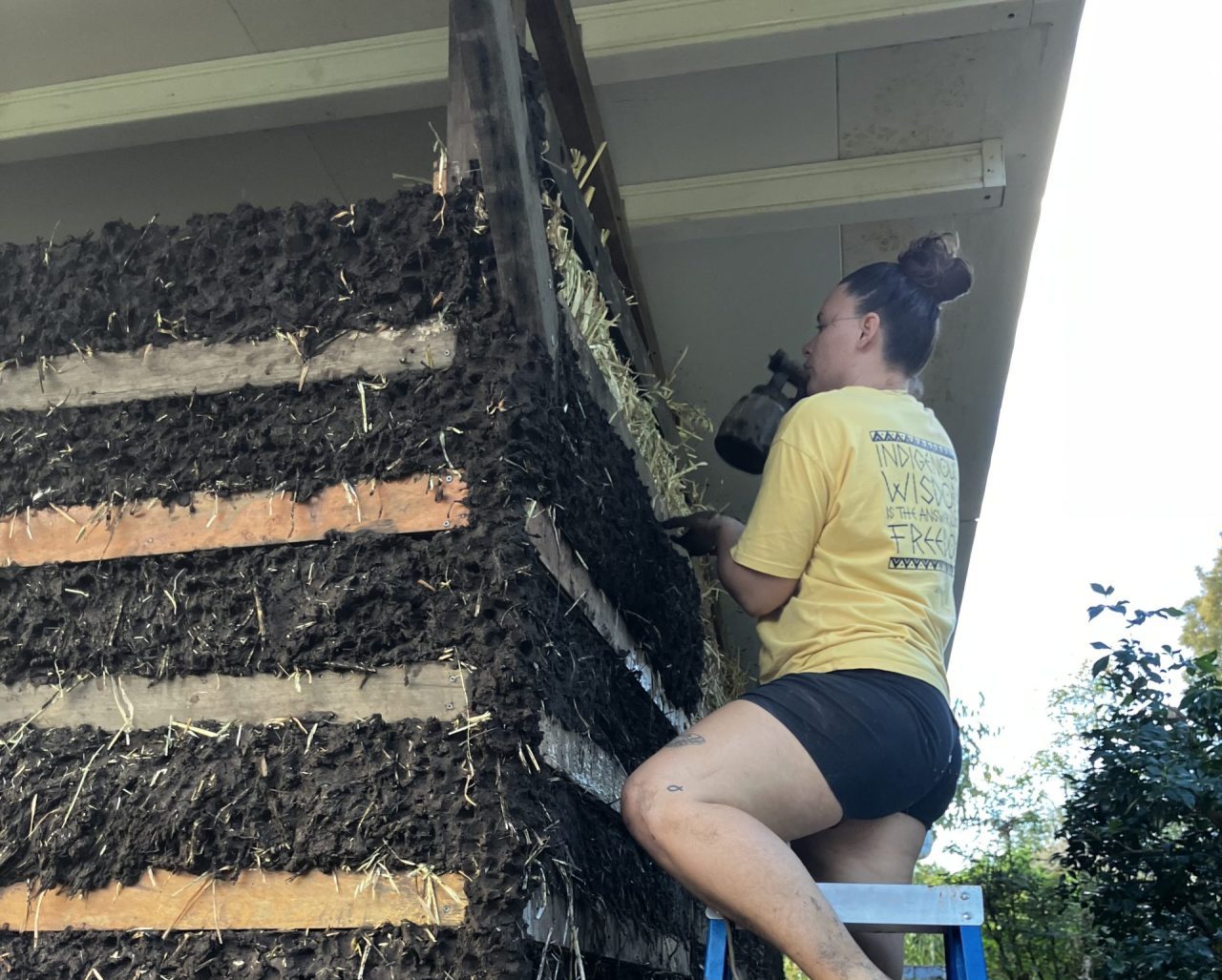
There’s something deeply hopeful about building a home with the earth beneath your feet. In a time when housing feels increasingly expensive, inaccessible, and disconnected from community, natural building techniques like cob and light earth construction offer another path — one based on experimentation, shared labour, local materials, and practical creativity.
Cob and light earth building aren’t new ideas. People have been building with clay, sand, straw, and fibres for thousands of years. But what feels exciting right now is how these techniques are evolving through modern experimentation. Builders are blending methods, adapting materials to local climates, and figuring things out together in real time. It’s less about rigid rules and more about understanding principles: use what you have, work with the climate, and build shelter in a way that reconnects people to place.
Recently I had the chance to help run a mudbuild workshop in the Northern Rivers, alongside Forage Foundation director Ahmed Mulla, a dear friend, who brought an incredible energy to the whole process. Despite challenging wet weather, the workshop was full of love, generosity, and good vibes as everyone pulled together to get the walls of his deluxe cabin up in time.
What made the project especially inspiring was its willingness to experiment. Rather than sticking to a single method, the build combined pallet cob and light earth techniques in a hybrid approach. In many ways, that feels like the future of natural building in Australia — practical experimentation instead of dogma.
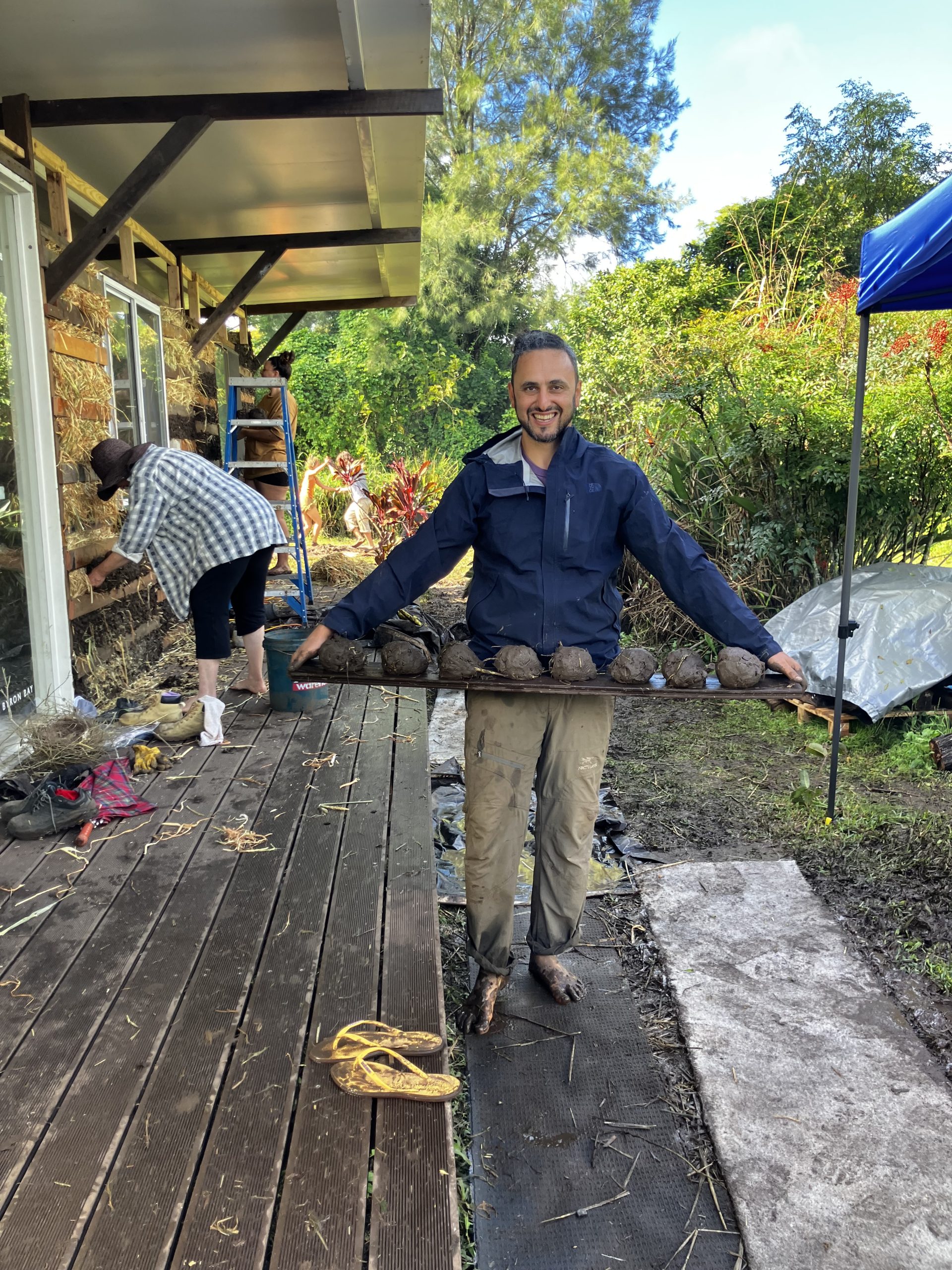
The pallet cob walls were used as highly insulative infill under a recycled refrigerator panel roof that all came very cheaply from many demolitions in the area following the recent floods. These walls were compacted by hand using straw bales that were pulled apart and stuffed in before being screw battened in with recycled floorboards or other misc timber. Once the main wall systems were in place, they were covered with a layer of cob before being finished with a finer clay-sand render and a final sprawl render coat. Other walls used a more traditional light earth approach, combining straw with clay slip to create lightweight insulating infill.
Watching all these methods come together on one build was a reminder that natural building doesn’t need to fit neatly into categories. Hybrid systems allow builders to adapt based on materials, weather, skill level, and budget. If one technique has limitations, another can complement it. That flexibility is part of what makes earth building so powerful.
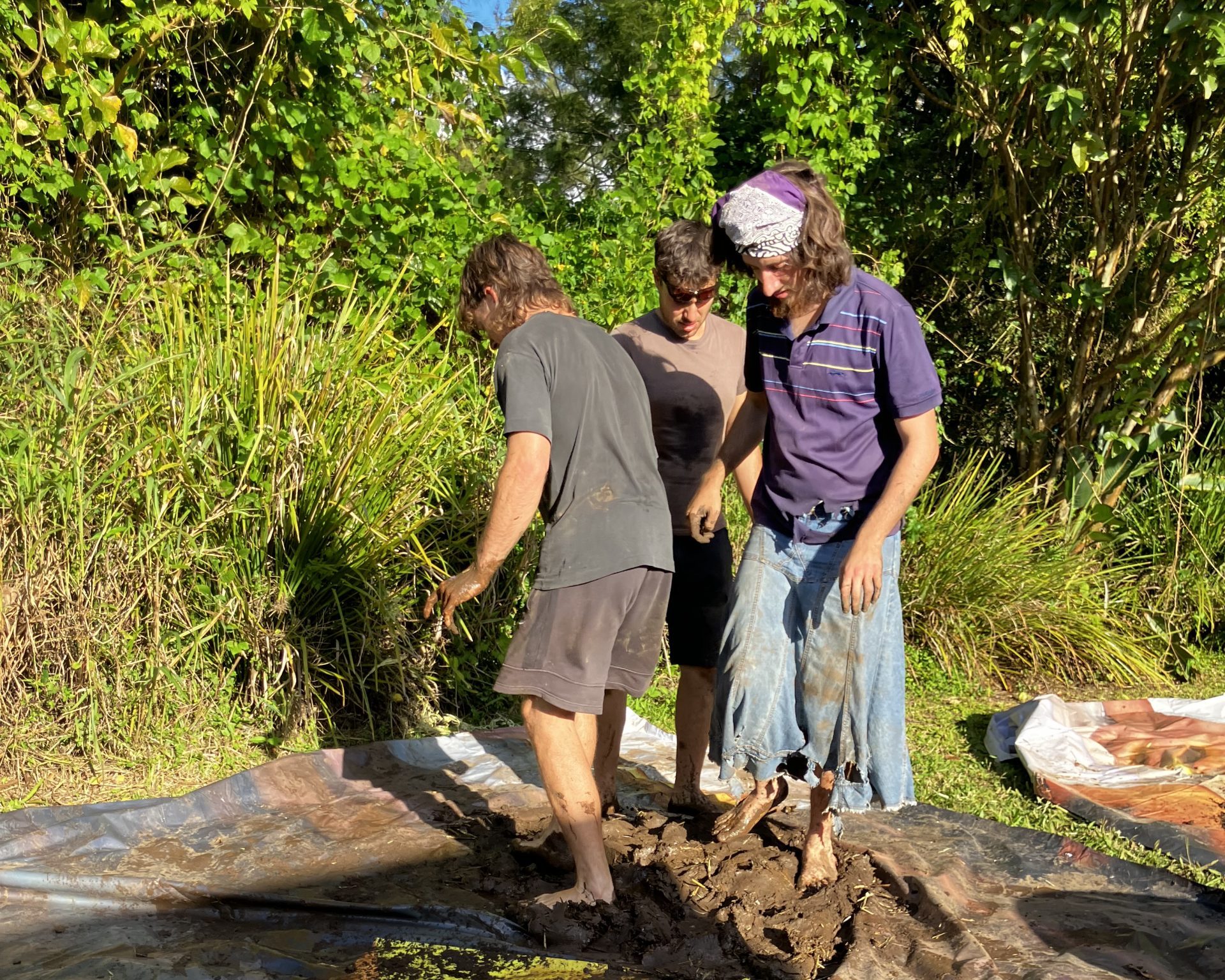
One of the biggest advantages of cob and light earth construction is cost reduction. Soil can often come directly from the site itself, stomped by foot with some sand and straw. that easy. Instead of spending huge amounts on processed materials, transport, and industrial products, builders can use subsoil straight out of the ground, combined with fibres like straw or other plant materials. Add community labour into the equation and the costs can drop dramatically.
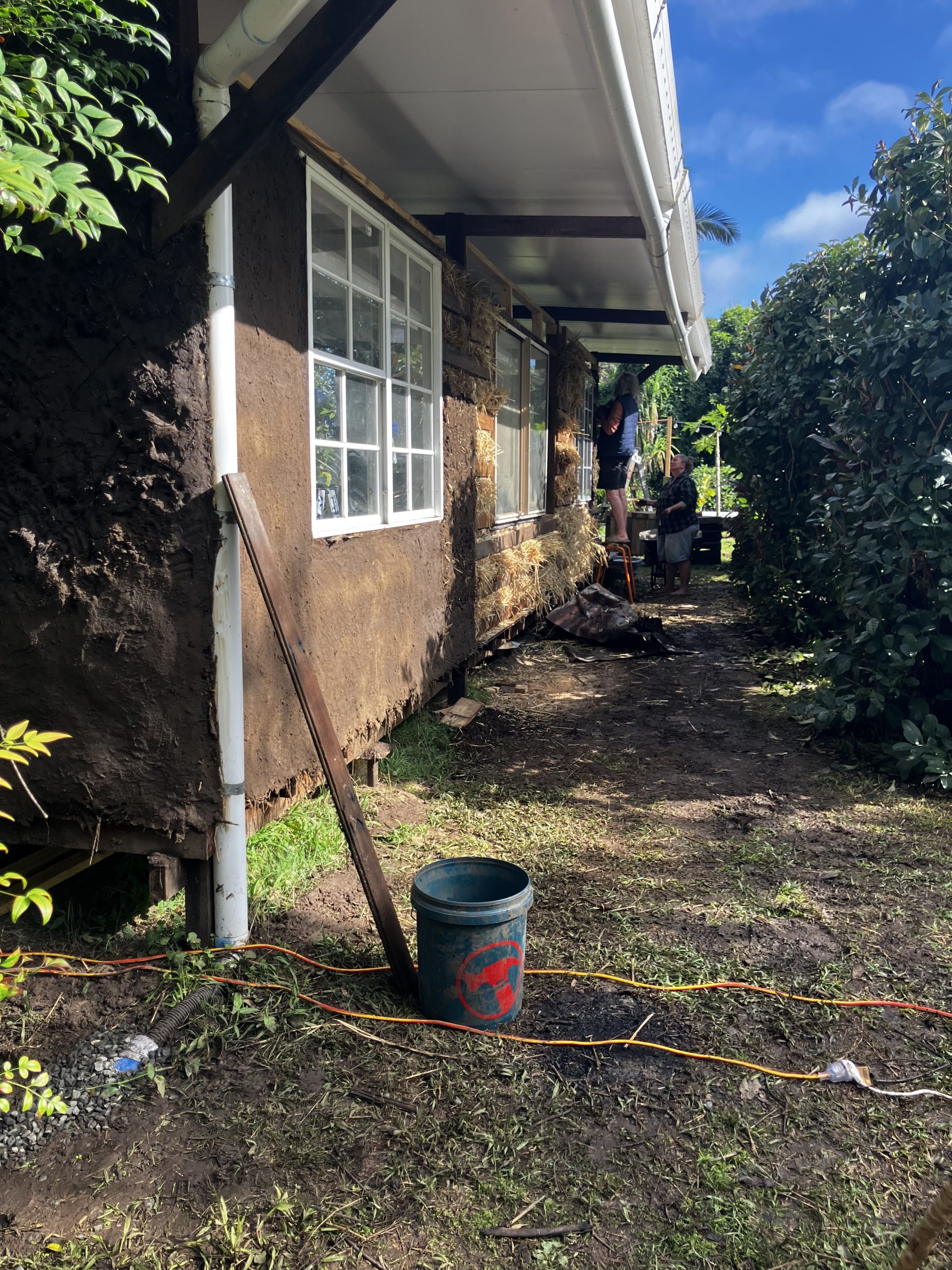
But more importantly, community labour changes the feeling of the build entirely. Mudbuilding naturally invites participation. People mix with their feet, pass buckets, sculpt walls, share meals, and problem-solve together. Even people with no prior experience can contribute meaningfully on day one. The process becomes social rather than isolated. Shelter stops being just another commodity and becomes something collectively created.
Of course, experimentation also means trial and error. Every soil type behaves differently. Every climate presents challenges. Wet weather can delay drying times significantly, as we experienced in Lismore. Some mixes crack. Some walls slump. Some renders need adjusting. But that’s part of the learning process. Natural building rewards observation and adaptation more than perfection.
Experimentation with alternative alternative material – lantana
Lately, some people have been asking about alternative fibres beyond straw — particularly hemp and lantana.
Hemp has gained popularity because it’s lightweight, insulating, and relatively consistent as a building fibre. Hempcrete systems already use hemp hurd mixed with lime to create breathable wall systems. In clay-based light earth construction, hemp can work similarly to straw as a fibrous reinforcement material.
Lantana is a much more interesting and controversial option in Australia. Since lantana is an invasive weed across large parts of the country, especially in the Northern Rivers and subtropical regions, people are increasingly interested in whether it can become a useful building resource instead of simply a management problem.
Traditionally, lantana has been used in Australia for furniture, woven panels, garden structures, and occasionally experimental natural building applications. The woody stems can provide surprisingly strong fibre if processed correctly. In light earth systems, lantana could potentially substitute for straw or sticks in certain contexts, particularly for non-structural infill.
However, preparation is critical.
Fresh lantana contains a lot of moisture, and if it’s incorporated into walls before properly drying, problems can develop later. Excess moisture trapped inside a clay wall can lead to mould, fungal growth, shrinkage, or decomposition over time. Wet fibres can also dramatically slow drying times, especially in humid climates like the Northern Rivers. In severe cases, organic material that remains damp inside walls may break down and weaken the overall structure.
To prepare lantana properly, it would need to be harvested, stripped of leaves, chipped or broken down into usable fibres or sticks, and then thoroughly dried before use. Ideally it would be stored undercover with good airflow until moisture levels are low and consistent. Thicker branches may work better as woven framework or lattice elements, while finer chipped material could potentially be mixed into light earth systems.
The main advantages of lantana are abundance, low cost, and ecological usefulness. Turning an invasive species into a building material is a compelling idea. But compared to straw, lantana is less predictable and less tested in large-scale natural building systems. It’s another example of where experimentation matters.
What really matters
And that’s really the heart of this whole movement.
Natural building is not about waiting for perfect materials, perfect knowledge, or perfect conditions. It’s about learning by doing. It’s about combining old knowledge with modern improvisation. It’s about communities coming together to build practical shelter from what already exists around them.
The mudbuild in Lismore captured that spirit beautifully. In the middle of wet weather, muddy boots, evolving techniques, and shared meals, people created something real together. Not just walls, but confidence. Skills. Possibility.
At a time when housing feels increasingly industrial, expensive, and disconnected from human hands, there’s something radical about building with earth, fibres, and community. It reminds us that shelter does not always need to come from complex systems and massive debt. Sometimes it can come from the ground beneath us, the people around us, and a willingness to experiment.
Want more?
Join us for our next deep dive Masterclass looking at cob in tropical environments – coming up June 24th 6- 8pm
Find out more here and sign up for singe session of the whole masterclass here
You can also follow the adventured of Earthbuilding FNQ cob masters on their facebook page here