Building the Future: Carbon Footprint & Lifecycle of Natural Construction Methods in Australia
2025-08-31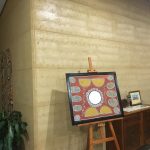
How to get your Rammed Earth Building Through Planning
2025-09-08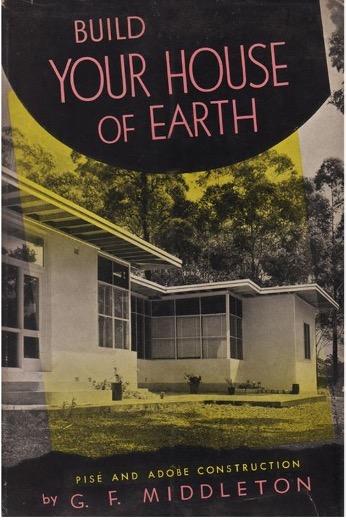
As Australia faces increasingly extreme weather patterns and escalating concerns around sustainable development, there’s been a quiet resurgence in one of humanity’s oldest construction techniques — rammed earth building. But far from being a trendy eco-innovation, this method has deep roots in our landscape, climate, and even policy history.
What Is Rammed Earth?
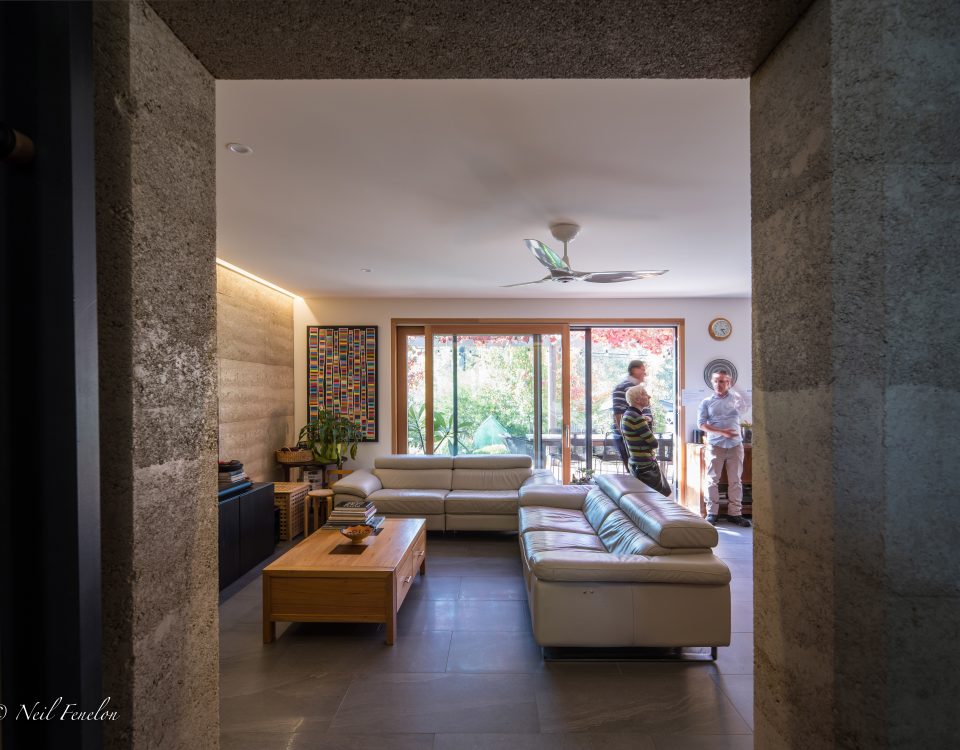
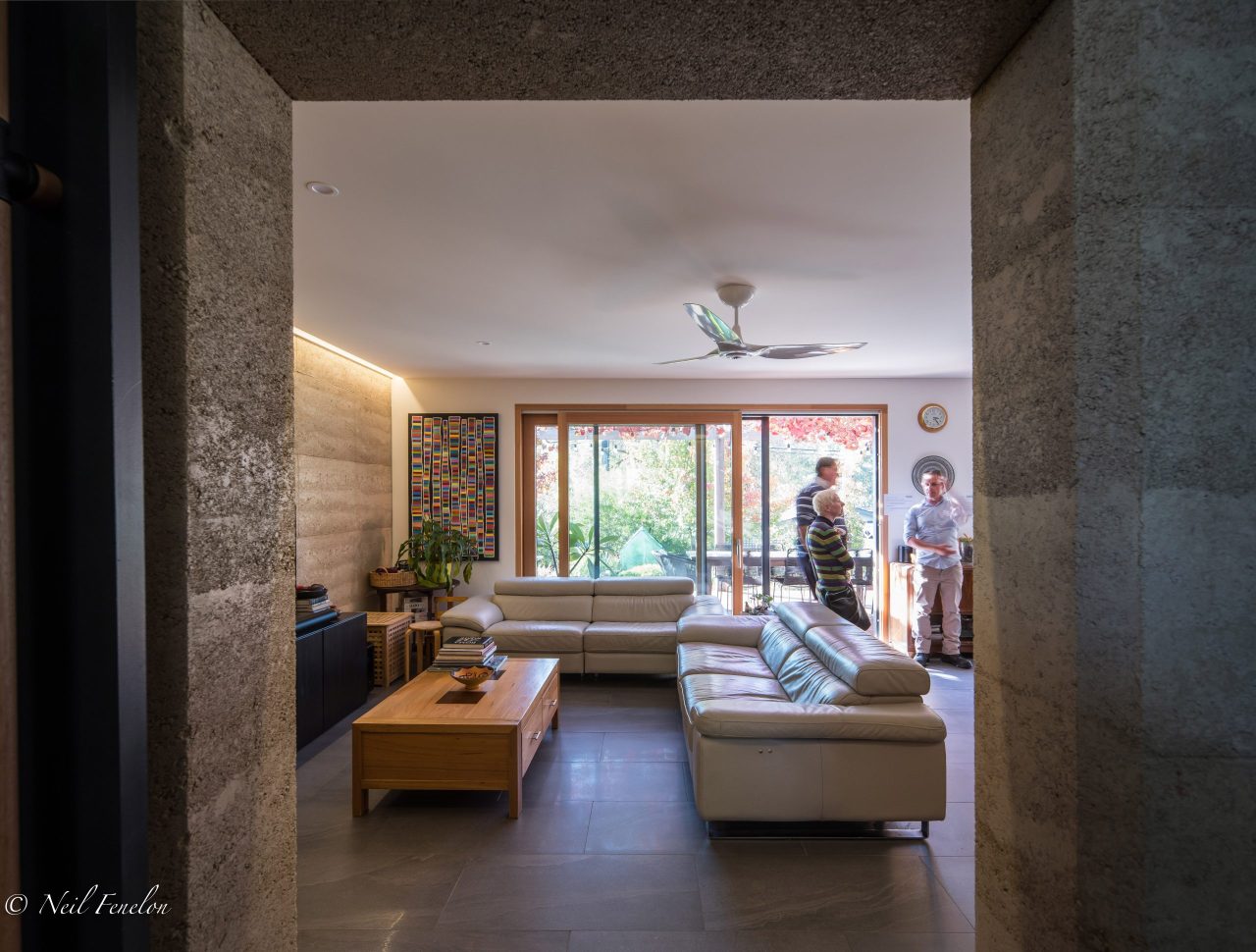
Rammed earth construction involves compacting a mixture of subsoil, clay, sand, and sometimes stabilisers like lime or cement between formwork to create solid, durable walls. It’s fire-resistant, thermally stable, low-carbon, and incredibly beautiful in its natural, textured finish.
While it may seem novel, rammed earth and other unfired earth techniques have been used globally for millennia — and right here in Australia, there’s a fascinating history of how and why this technique was studied, promoted, and even funded at various times.
Post-War Innovation: CEBS and Climate-Conscious Design
In the 1950s, during a time of housing shortages and increasing interest in regionally appropriate building styles, the Australian government launched the Commonwealth Experimental Building Station (CEBS). This initiative spearheaded research into affordable, climate-appropriate housing and the use of natural building materials like earth.
CEBS explored how homes could be built to respond to the Australian climate, rather than resist it with brute-force air conditioning. Earth walls — with their excellent thermal mass — were key in this effort. CEBS’ work was part of a broader recognition that housing should harmonise with, not fight against, environmental conditions.
This work continues to resonate today as we confront a climate not unlike what CEBS foresaw — hotter summers, unpredictable seasons, and a need to rethink how we build.
Regulation and Standards Today
Contrary to popular belief, there’s no single “Commonwealth Earth Building Standard.” Instead, earth building in Australia is governed by the National Construction Code (NCC) and a number of Australian Standards, including:
AS 3798: Standards for earthworks and compaction of fill materials
AS 2870: Site classification (crucial for understanding soil conditions before building)
AS 4678: For earth-retaining structures
When it comes to compliance, anyone looking to build with rammed earth must consult a qualified structural engineer and provide documentation that meets these codes. It’s not just about aesthetics or tradition — it’s about safety, performance, and longevity. 🏗️
Earth Building in a Modern Context
Groups like the Earth Building Association of Australia (EBAA) have been pivotal in educating builders, architects, and regulators about the real potential of earth as a serious, durable material.
At a broader level, the Commonwealth Association of Architects (CAA) is now leading conversations about natural materials, circular economies, and regenerative design. There’s a growing consensus: materials like earth aren’t primitive — they’re profoundly modern in how they address carbon, community, and climate.
Why It Matters Now
As temperatures rise and resource scarcity becomes a reality, we must rethink what we value in our built environments. Rammed earth offers:
- Exceptional thermal mass: keeps interiors cooler in summer, warmer in winter
- Fire resistance: critical in bushfire-prone areas
- Low embodied energy: especially when locally sourced
- Biophilic beauty: connects people with the land they live on
More than nostalgia, rammed earth is a practical response to Australia’s environmental future — one that draws from both ancient techniques and modern standards.
Looking Forward
We’re at a point where traditional knowledge, scientific research, and policy are converging to support healthier, smarter, and more sustainable housing. Whether you’re a builder, architect, or just a curious home-lover — now is the time to explore how earth can quite literally ground us in a better future.
Let’s not just build for the next 10 years. Let’s build for the next century.
For more information on the history of earth building check out this article here from Arcadia.
You can also get a handbook from the EBAA here