Building for the Future: Lessons in Bushfire Resilience from Earthship Eco Homes
2026-08-02
Lime Plaster: Recipes, Materials and Ways to Work With It
2026-08-16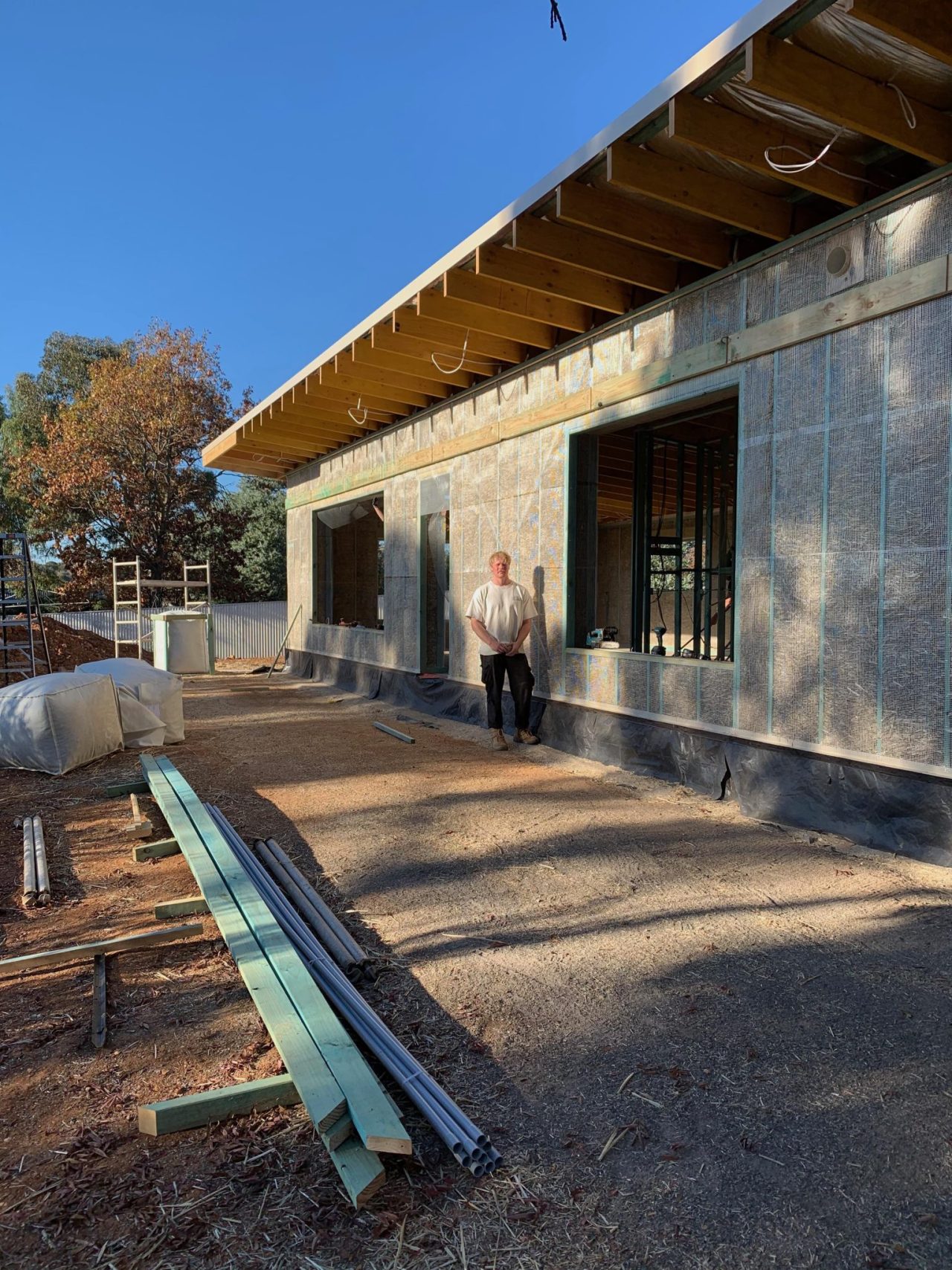
Recently, Matt Carland from Carland Construction shared a thought-provoking perspective on the building industry’s long-standing focus on energy efficiency. If you don’t already follow Matt, his Instagram is well worth your time. His posts regularly challenge builders, designers and homeowners to think differently about what makes a genuinely good home. Rather than focusing solely on products or construction methods, he asks bigger questions about our priorities as an industry and what we’re really trying to achieve through the National Construction Code.
One idea in particular stayed with us.
For the past three decades, Australia’s residential building industry has worked hard to improve the energy performance of our homes. We’ve introduced NatHERS star ratings, minimum energy efficiency standards, Whole of Home assessments and increasingly ambitious carbon reduction targets. These initiatives have undoubtedly improved housing performance and have been an important step towards reducing operational energy use and greenhouse gas emissions.
But perhaps it’s time to broaden the conversation.
Rather than asking only, “How can we make this home more energy efficient?”, perhaps we should also be asking, “How can we make this home healthier, more comfortable and more resilient?”
Interestingly, building science suggests these aren’t competing objectives at all. In many cases, they’re exactly the same thing.
From Energy Efficiency to Building Performance
For many years, conversations around sustainable housing have naturally gravitated towards technology. Solar panels have become commonplace, battery storage is becoming more affordable, and electric appliances are steadily replacing gas. These are all positive developments and will play an essential role in Australia’s transition to a low-carbon future.
However, renewable energy generation is only one side of the equation.
The other—and arguably more important—question is how much energy the home needs in the first place.
A phrase often used in sustainable design circles sums it up perfectly:
The cleanest kilowatt-hour is the one you never need to generate.
Reducing energy demand begins with the building itself. It begins with the envelope.
What Is the Building Envelope?
The building envelope is everything that separates the inside of the home from the outside environment. It includes the roof, walls, floors, windows, doors, insulation, membranes, seals and every junction where these components meet.
Think of it as the home’s protective skin.
A well-designed envelope controls the movement of heat, air and moisture. It keeps warmth inside during winter, prevents unwanted heat entering during summer, manages condensation risks and creates a stable, comfortable indoor environment with minimal reliance on mechanical heating and cooling.
When the envelope performs well, everything else performs better too.
Heating systems become smaller. Cooling loads reduce. Solar systems generate a greater proportion of the home’s annual energy needs. Occupants are more comfortable. Running costs fall.
The renewable technology hasn’t changed.
The building simply needs less from it.
Health and Comfort Are Becoming the New Benchmark
Increasingly, research is showing that high-performing homes are about much more than reducing electricity bills.
The World Health Organization has identified dampness and mould as significant contributors to respiratory illness, asthma and allergies. Here in Australia, researchers have also highlighted the growing importance of managing condensation, ventilation and indoor air quality as homes become more airtight.
In other words, a home can technically achieve an impressive energy rating while still suffering from poor moisture management or inadequate ventilation if these issues haven’t been properly considered during design and construction.
That’s why many building scientists are beginning to talk less about energy efficiency alone and more about building performance.
Performance includes energy.
But it also includes durability, resilience, indoor air quality, thermal comfort, moisture management and occupant wellbeing.
Ultimately, homes exist for people—not certificates.
The Envelope-First Approach
This is where an envelope-first philosophy begins to make sense. Before asking how many solar panels can fit on the roof, ask whether the home has been oriented to take advantage of winter sun.
Before investing in battery storage, ask whether insulation levels are appropriate for the local climate. Before upgrading to a larger air-conditioning unit, ask why the house struggles to stay comfortable in the first place.
Good orientation, effective shading, continuous insulation, thoughtful glazing, airtight construction balanced with planned ventilation and careful moisture management all reduce energy demand every single day for the entire life of the building.
Unlike appliances, they don’t wear out after fifteen years. Unlike technology, they don’t become obsolete. They’re permanent improvements to the building itself.
It’s Just as Important for Existing Homes
This way of thinking isn’t limited to new homes. In fact, it may be even more important for Australia’s existing housing stock. Many homeowners begin their sustainability journey with rooftop solar—and for good reason. Australia’s sunshine makes it one of the best investments available and there’s plenty of rebates and incentives for more people to be more self-sufficient when it comes to providing for our own power. But an envelope-first retrofit often delivers benefits that homeowners notice immediately.
Sealing draughts. Upgrading ceiling and wall insulation. Improving glazing. Addressing thermal bridges. Managing moisture. Introducing controlled ventilation where appropriate.
These improvements don’t simply reduce power bills. They make homes quieter, healthier and more comfortable to live in every single day. Once those fundamentals are addressed, renewable energy systems become even more effective because they’re supporting a home that already performs well. if you’ve ever visited a well insulated passive home, you notice the way it feels without having to rely on noisy tech, and that should be the ideal of what the codes, and good building design, is leading us towards, not an ever expanding array of technology.
Building for the Next Fifty Years
Perhaps this represents the next evolution in sustainable housing. Rather than viewing energy efficiency as the finish line, we can begin to see it as one outcome of good building science.
A truly successful home is one that works with the climate rather than constantly fighting it. It maintains comfortable temperatures naturally, manages moisture effectively, provides healthy indoor air, stands up to increasingly extreme weather and requires very little energy to operate because its building fabric is doing most of the work.
Technology then becomes the finishing touch—not the solution. And technology often can not be relied upon in extreme weather events, nor does a sealed home help protect us when the power goes out.
Why We’re Passionate About This
At Natural Building Australia we’re here to disrupt the way building has been done, and how we can conceives of built spaces with climate, sustainability and health front of mind.
That means focusing on a materials first approach, then thinking about orientation, insulation, airtightness, moisture management, ventilation and thoughtful detailing—the elements that quietly influence how a home feels and how it can evolve with us through life.
Solar panels, batteries and efficient appliances absolutely have an important place in the future of Australian housing, and are an important way to get us to think abit more mindfully about how we use energy, and what it actually costs us. But we see them as enhancements to a well-performing home, not substitutes for good design.
For us, sustainability has always been about more than reducing energy bills. It’s about supporting more Australians to create homes that are comfortable in every season, healthy to live in, durable enough to last generations and resilient enough to meet the challenges of a changing climate.
If we can build homes that need less energy because they’re simply designed better, then we’ve achieved something far more valuable than a higher star rating.
To see Matt Carland’s original rant/post head here
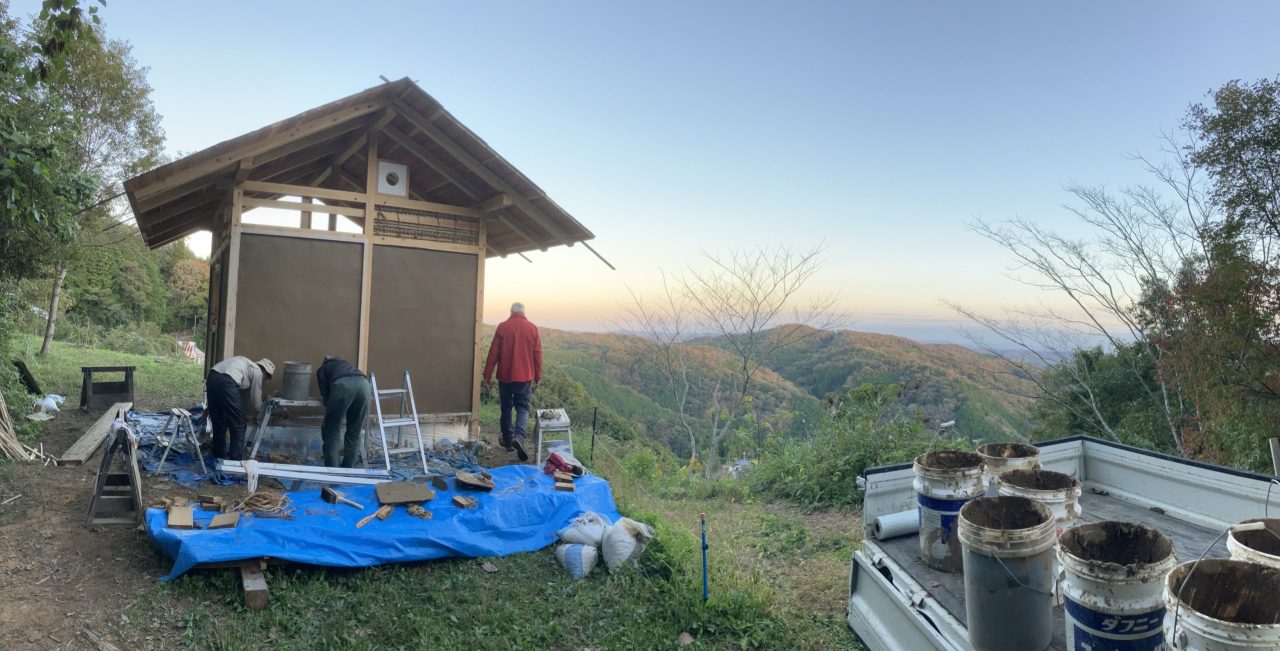
Featured image Bob from Spacebale, Vic
References:
Your Home (Australian Government) – Insulation
https://www.yourhome.gov.au/passive-design/insulation Your Home – Sealing your home
https://www.yourhome.gov.au/passive-design/sealing-your-home Your Home – Passive design
https://www.yourhome.gov.au/passive-design
World Green Building Council – Better Places for People
https://worldgbc.org/our-work/people/