The Evolution of Sustainable Home Design: From Efficiency to Regeneration
2026-03-31
Natural Walls and Hydronic Heating in Australia: How They Work Together and When They Don’t
2026-04-24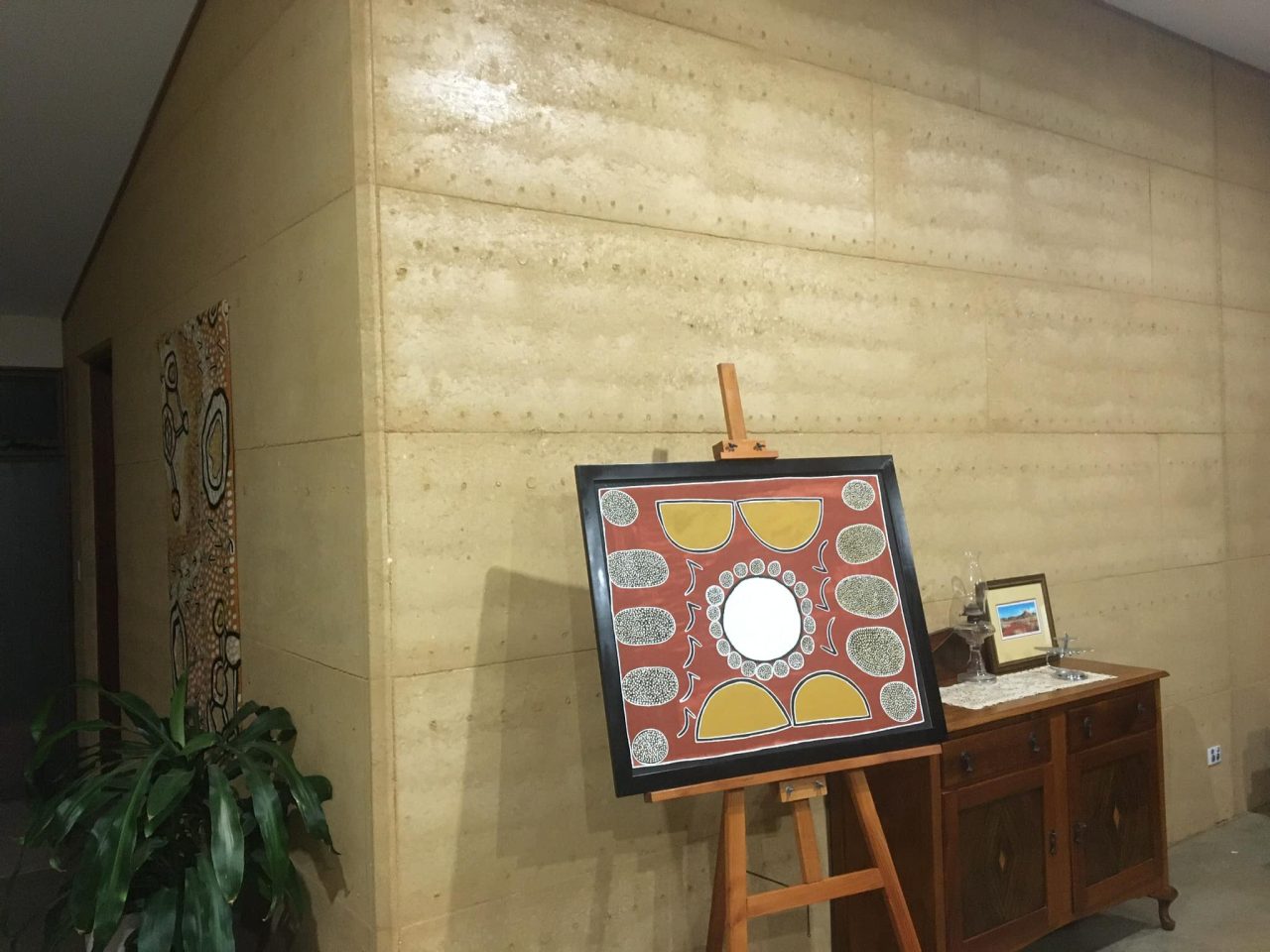
Rammed earth buildings can last for thousands of years. Some sections of the Great Wall of China were built using rammed earth over 2,000 years ago—and parts of them are still standing today.
That kind of longevity is not just a historical curiosity—it points to a building method that is deeply resilient, environmentally responsive, and increasingly relevant in contemporary architecture. As the construction industry faces growing pressure to reduce carbon emissions and rethink material use, rammed earth is re-emerging as both a practical and poetic solution.
What is Rammed Earth?
Rammed earth is a construction technique that involves compacting a carefully selected mixture of subsoil, sand, gravel, and sometimes a stabiliser such as cement or lime into temporary formwork. The material is compressed in layers until it forms dense, durable walls with a stone-like quality.
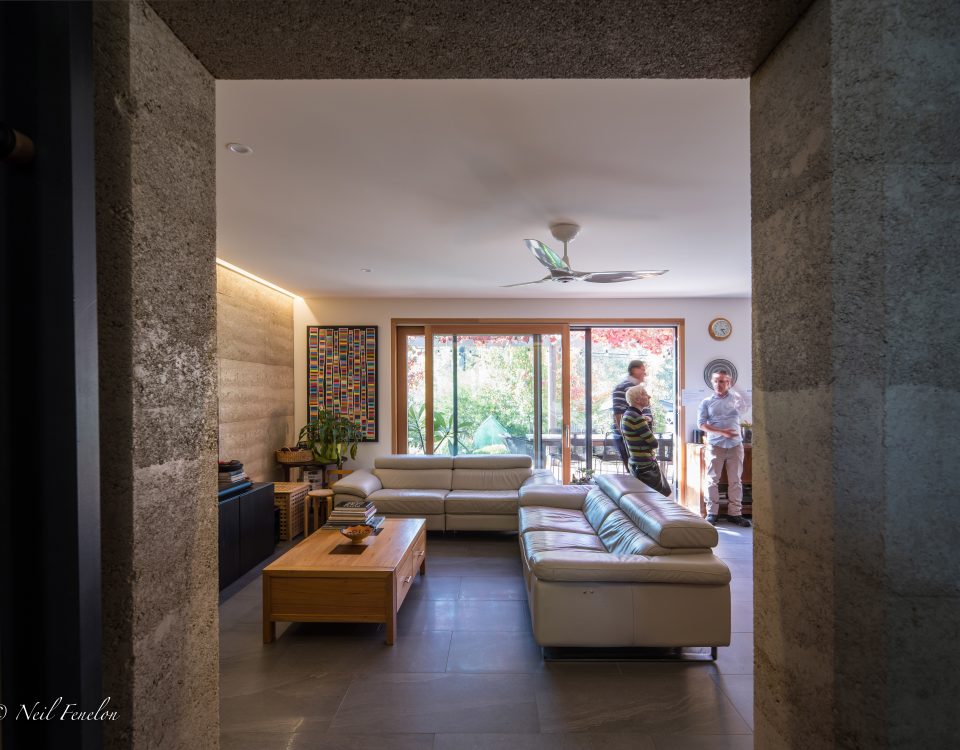
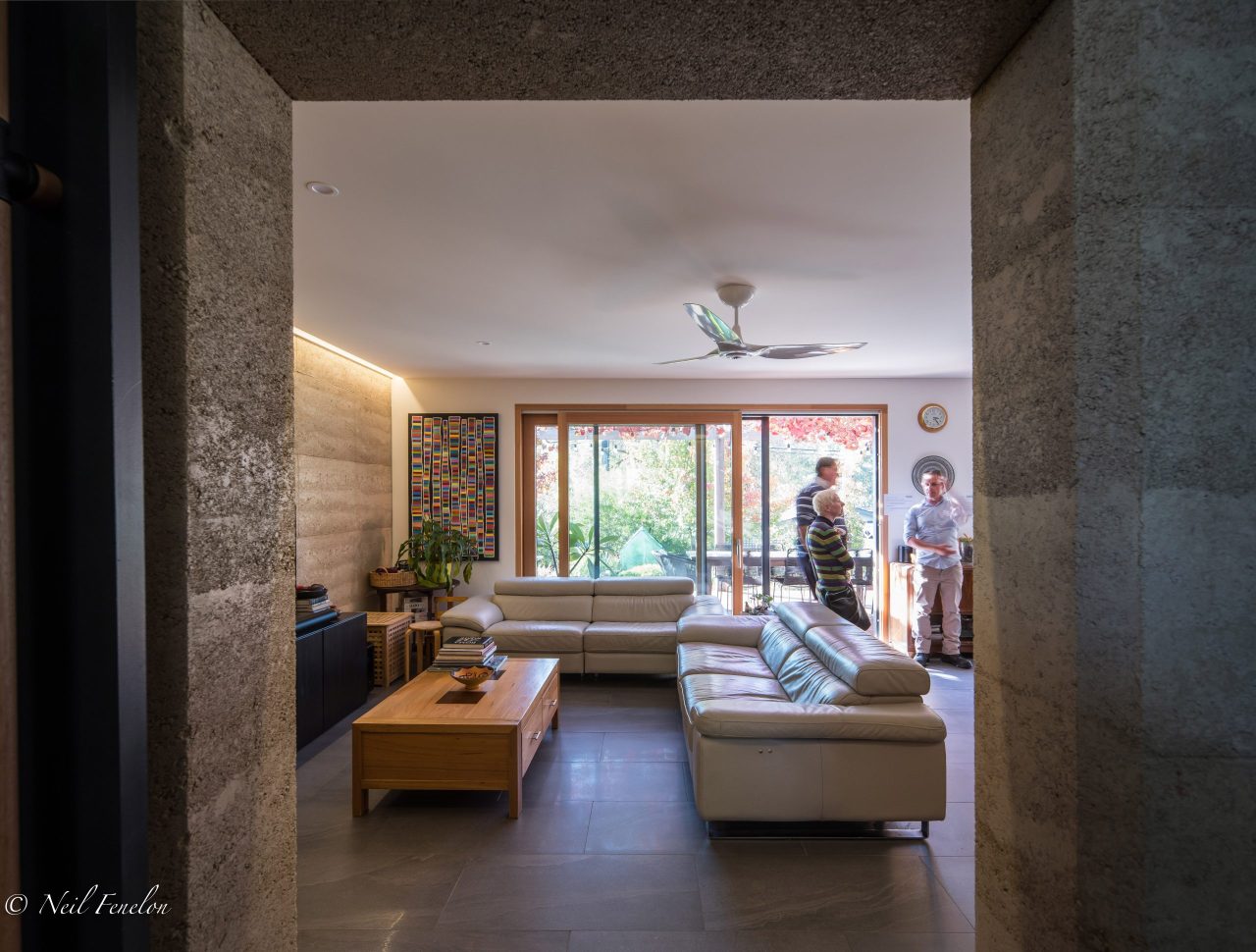
One of the defining characteristics of rammed earth is its honesty. The finished walls reveal the natural variation of the soil—subtle bands of colour and texture that reflect the geology of the site. In this way, each building becomes unique, carrying the visual identity of its location.
From a sustainability perspective, rammed earth is compelling. It often uses locally sourced materials, requires minimal processing, and generates very little waste. Compared to energy-intensive materials like concrete and steel, its embodied energy is significantly lower.
The Many Uses of Rammed Earth
Residential Architecture
In residential design, rammed earth offers a combination of durability, comfort, and aesthetic appeal. Homes built with rammed earth walls feel solid and grounded, with thick envelopes that provide both physical and psychological shelter.
The material often eliminates the need for additional finishes. There is no need for plasterboard, paint, or cladding—the structure is the finish. This simplicity not only reduces material use but also creates interiors that feel calm, warm, and tactile.
Public and Community Buildings
Rammed earth has found a strong role in civic and community architecture, particularly in regional and remote areas. Its ability to connect buildings to place—both materially and culturally—makes it especially valuable in projects that serve communities with deep ties to land.
Kaunitz Yeung Architecture has been at the forefront of this approach. Their work across Australia shows how rammed earth can be used to create buildings that are not only environmentally responsive but also culturally meaningful.
In projects such as the Puntukurnu Aboriginal Medical Service Healthcare Hub in Newman, rammed earth walls are made using local soil, reducing transport and embedding the building within its landscape. The material becomes more than a construction choice—it becomes a narrative device, expressing connection to Country and reinforcing identity through architecture.
Similarly, cultural and interpretive spaces benefit from rammed earth’s ability to hold meaning. Its layered construction can reflect time, history, and geology, making it a powerful medium for storytelling in built form.
Landscape and External Structures
Rammed earth is equally effective in landscape architecture. Retaining walls, garden boundaries, seating elements, and outdoor pavilions can all be constructed using the same technique.
Because the material is derived from the earth itself, it blends seamlessly into natural surroundings. This makes it particularly suitable for projects that aim to minimise visual impact or integrate architecture into sensitive environments.
Health and Wellbeing Spaces
The material qualities of rammed earth—thermal stability, acoustic dampening, and visual softness—make it well-suited to healthcare and wellbeing environments.
In hot, remote regions, buildings designed with rammed earth can maintain comfortable internal conditions with minimal reliance on mechanical systems. Combined with passive design strategies such as shading, cross-ventilation, and courtyards, these structures can support both physical comfort and mental wellbeing.
Climate: Where Rammed Earth Performs Best
Rammed earth is not a one-size-fits-all solution, but in the right climate, it performs exceptionally well.
Its key strength lies in thermal mass—the ability to absorb, store, and slowly release heat. This makes it most effective in climates with significant temperature variation between day and night.
Ideal Conditions
- Arid and semi-arid climates: In desert and inland regions, where days are hot and nights are cool, rammed earth helps stabilise indoor temperatures by absorbing heat during the day and releasing it after sunset.
- Mediterranean climates: Regions with hot, dry summers and cooler nights benefit from the same thermal balancing effect.
- Areas with high diurnal range: Anywhere with large swings between daytime and nighttime temperatures can take advantage of rammed earth’s passive performance.
More Challenging Conditions
In humid or consistently cold climates, rammed earth requires additional design considerations. These might include:
- Insulation layers or hybrid wall systems
- Careful detailing to manage moisture
- Integration with other materials to improve thermal resistance
Even in these contexts, however, rammed earth can still play a role when used thoughtfully.
A Western Australian Renaissance
Western Australia has played a pivotal role in the modern revival of rammed earth construction.
Since the 1990s, a growing network of architects, engineers, and specialised builders in WA has been refining the technique for contemporary use. What began as a niche or experimental material has evolved into a robust and credible building system.
This movement has focused on improving structural reliability, developing stabilised earth mixes, and integrating rammed earth into broader passive design strategies. The harsh climate of much of Western Australia—characterised by heat, dryness, and large temperature swings—has provided an ideal testing ground.
Projects such as the “Great Wall of WA,” along with numerous residential and remote community buildings, helped demonstrate that rammed earth could operate at both architectural and infrastructural scales.
Today, practices like Kaunitz Yeung Architecture are extending this legacy. Their work reflects a distinctly Australian approach—one that combines technical innovation with cultural awareness and deep engagement with local communities. In doing so, they are redefining what sustainable architecture can look like in the Australian context.
Why Rammed Earth Matters Now
The construction industry is responsible for a significant portion of global carbon emissions. As a result, there is increasing urgency to adopt materials and methods that reduce environmental impact.
Rammed earth offers several key advantages:
- Low embodied energy due to minimal processing
- Use of local materials, reducing transport emissions
- Durability and longevity, lowering lifecycle costs
- Thermal performance, reducing operational energy use
But beyond performance metrics, rammed earth offers something more fundamental: a way of building that is rooted in place. It encourages designers and builders to work with local conditions—climate, soil, culture—rather than imposing uniform solutions.
Final Thoughts
From ancient fortifications to contemporary healthcare hubs and cultural centres, rammed earth has proven its value across centuries. Its enduring presence in structures built thousands of years ago is not just impressive—it is instructive.
In Australia, particularly in Western Australia, rammed earth has evolved into a refined and regionally responsive construction method. It is no longer seen as an alternative or novelty, but as a serious and sophisticated approach to building.
As the industry continues to grapple with sustainability and resilience, rammed earth stands out as a material that bridges past and future. It reminds us that some of the most innovative solutions are not new at all—they are simply rediscovered, reinterpreted, and built upon.
And in that sense, rammed earth is not just about construction. It is about continuity—between land, people, and time.
To explore this topic in more depth, we’re hosting a special session with rammed earth expert and long-term EBAA member Stephen Dobson as part of our upcoming masterclass series on April 22nd. The session will dive into the evolution of rammed earth in Western Australia—from its resurgence in the 1990s through to the sophisticated projects being delivered today—along with practical insights into design, construction, and performance in demanding climates.
Tickets are available for individual sessions or for the full series, offering a deeper look into materials, methods, and the future of sustainable building in Australia.
Photo credit here