How to Combine Cement and Natural Materials
2026-02-16
The Evolution of Sustainable Home Design: From Efficiency to Regeneration
2026-03-31
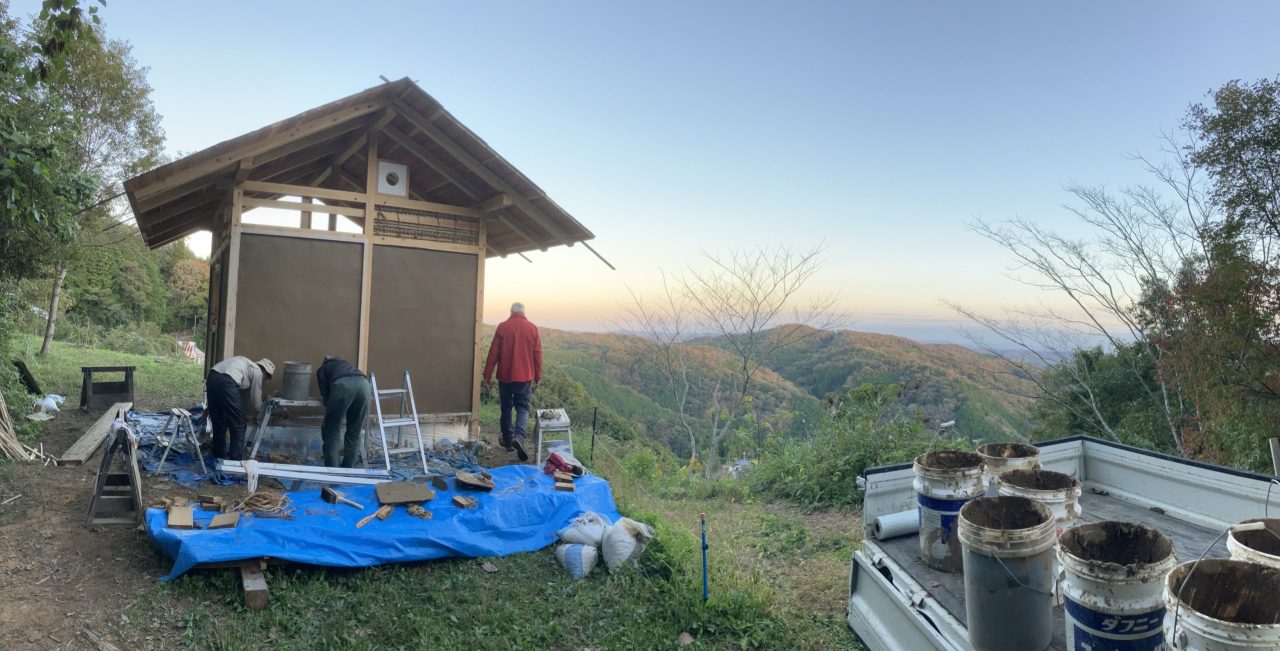
Cob is one of the oldest natural building techniques in the world. Made from a simple mix of clay, sand, straw, and water, it has been used for centuries to create durable, breathable, and energy-efficient homes.
While it is often associated with temperate climates, cob is being explored across Australia, including in hot and humid regions, showing that with thoughtful design and material choices, it can thrive even in tropical conditions. Drawing on lessons from Australia, the UK, and North America, it’s clear that cob offers a versatile and sustainable option for low-impact housing in a variety of climates.
Why Cob Works
Cob is celebrated for its thermal mass, breathability, and sustainability. Thick cob walls absorb heat during the day and release it slowly at night, which helps moderate indoor temperatures in temperate regions. Its natural porosity allows walls to “breathe,” absorbing moisture when humidity is high and releasing it when the air is drier, reducing the risk of mold growth and improving indoor air quality. These properties have made cob popular not only in the UK and Europe, where historic cob cottages remain standing after hundreds of years, but also in North America, where modern earth builders are using cob for eco-homes and community projects.
Cob in Hot and Humid Climates
Cob can work well in hot and humid climates if the design addresses moisture, ventilation, and heat. Homes built in tropical regions rely on:
- Elevated foundations and plinths: Keeping walls above ground prevents water absorption from heavy rain and reduces erosion.
- Wide roof overhangs and verandahs: Protect walls from direct rainfall and provide shaded outdoor areas that help keep interiors cool.
- High-pitched, ventilated roofs: Promote air circulation and prevent heat buildup inside the home.
- Stabilised cob mixes: Adding natural stabilisers such as lime can improve water resistance without compromising breathability.
These strategies allow cob homes to maintain their core benefits—thermal comfort, healthy indoor air, and sustainability—while adapting to tropical conditions. People are increasingly drawn to cob for its low environmental impact, durability, and ability to create comfortable, climate-responsive homes.
Lessons from the UK and North America
Cob has a long history in the UK, particularly in the southwest counties of Devon and Somerset. Traditional English cob cottages, some dating back to the 15th century, demonstrate that with proper detailing and roof protection, earth walls can last for centuries. Builders in these regions emphasise thick eaves, lime washes, and proper foundations—all lessons that are directly applicable to tropical Australian contexts.
In North America, modern cob builders often combine traditional techniques with contemporary adaptations to meet regional climate challenges. For example, in humid southeastern states, builders use raised foundations, ventilated roof designs, and stabilised cob mixes, showing that cob is not limited to temperate or dry climates but can be adapted to hot, wet environments.
Design Considerations for Tropical Cob
When planning a cob project in tropical climates, several factors are essential:
- Rainfall and drainage: Protect walls from water with elevated foundations, overhangs, and proper site drainage.
- Ventilation: Cross-ventilation, high ceilings, and shaded verandahs help keep interiors cool and dry.
- Material selection: Choosing the right clay, sand, and stabilisers ensures structural integrity and long-term durability.
- Local context: Using locally sourced renewable materials reduces environmental impact and increases resilience.
- Maintenance: Annual lime washes or natural sealants can extend the life of cob walls in wet climates.
Benefits of Cob in Tropical Housing
Cob provides more than just an alternative building material. It is a low-impact, regenerative solution that supports comfort, health, and sustainability:
- Thermal regulation keeps interiors cooler in summer and warmer in winter.
- Breathable walls regulate humidity and improve indoor air quality.
- Minimal embodied energy compared to concrete or brick reduces environmental impact.
- Natural textures and earthy tones create visually striking homes.
- With proper detailing and maintenance, cob homes can last for generations.
Why Cob Matters
In tropical regions across Australia, there is a growing interest in sustainable housing that can handle extreme weather, remain comfortable without air conditioning, and minimise environmental impact. Cob offers a compelling option for owner-builders, architects, and sustainability-minded designers who want to rethink housing for resilience, comfort, and ecological responsibility.
Learn More
If you are interested in cob construction, tropical building strategies, or natural building systems in Australia, the 2026 Natural Building Masterclass is an invaluable resource. The June session will focus specifically on cob in tropical climates, covering practical design adaptations, moisture management strategies, and lessons from real-world Australian projects. Participants will gain access to practical knowledge, expert guidance, and a community of practitioners exploring natural building across diverse Australian conditions.
Find more information on the cob class and the other 9 professional-led sessions run from march-December head here
Check out this example of a cob hybrid home in the Sunshine Coast