Can You Build a Second Storey with Natural Building Materials?
2026-11-16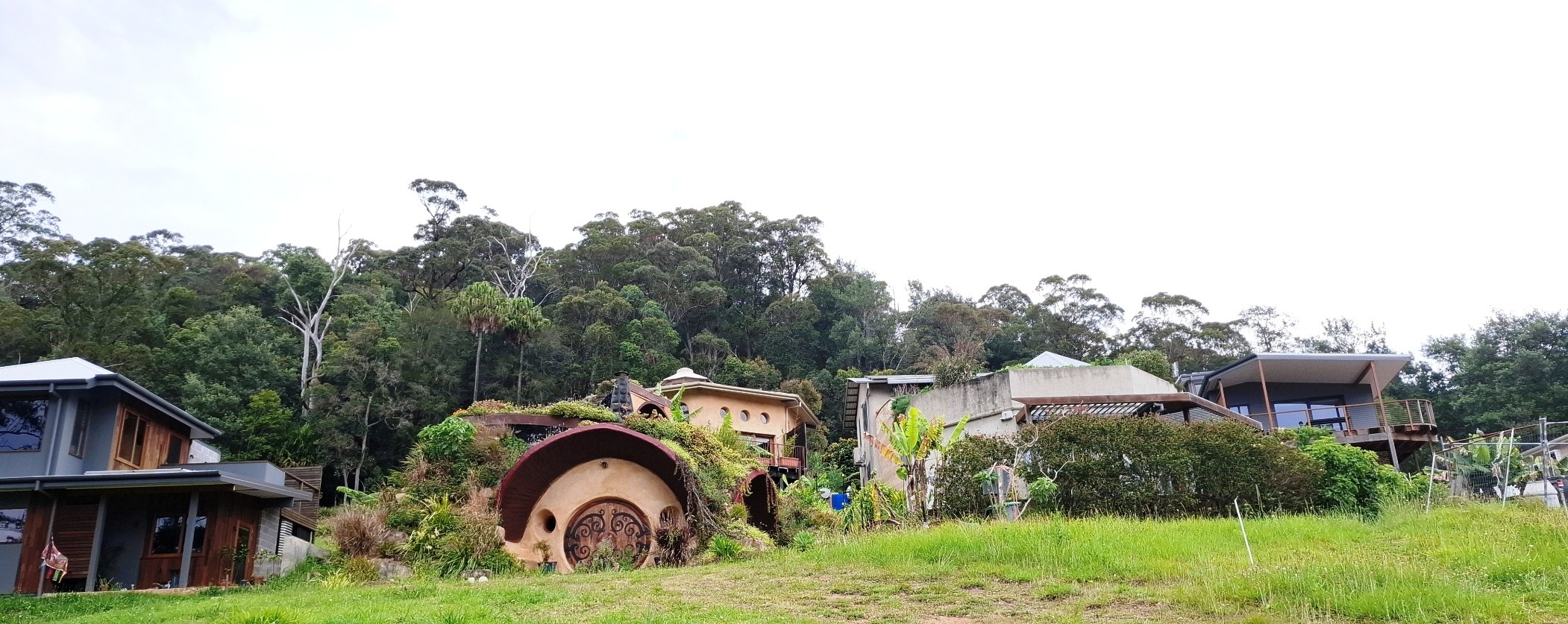
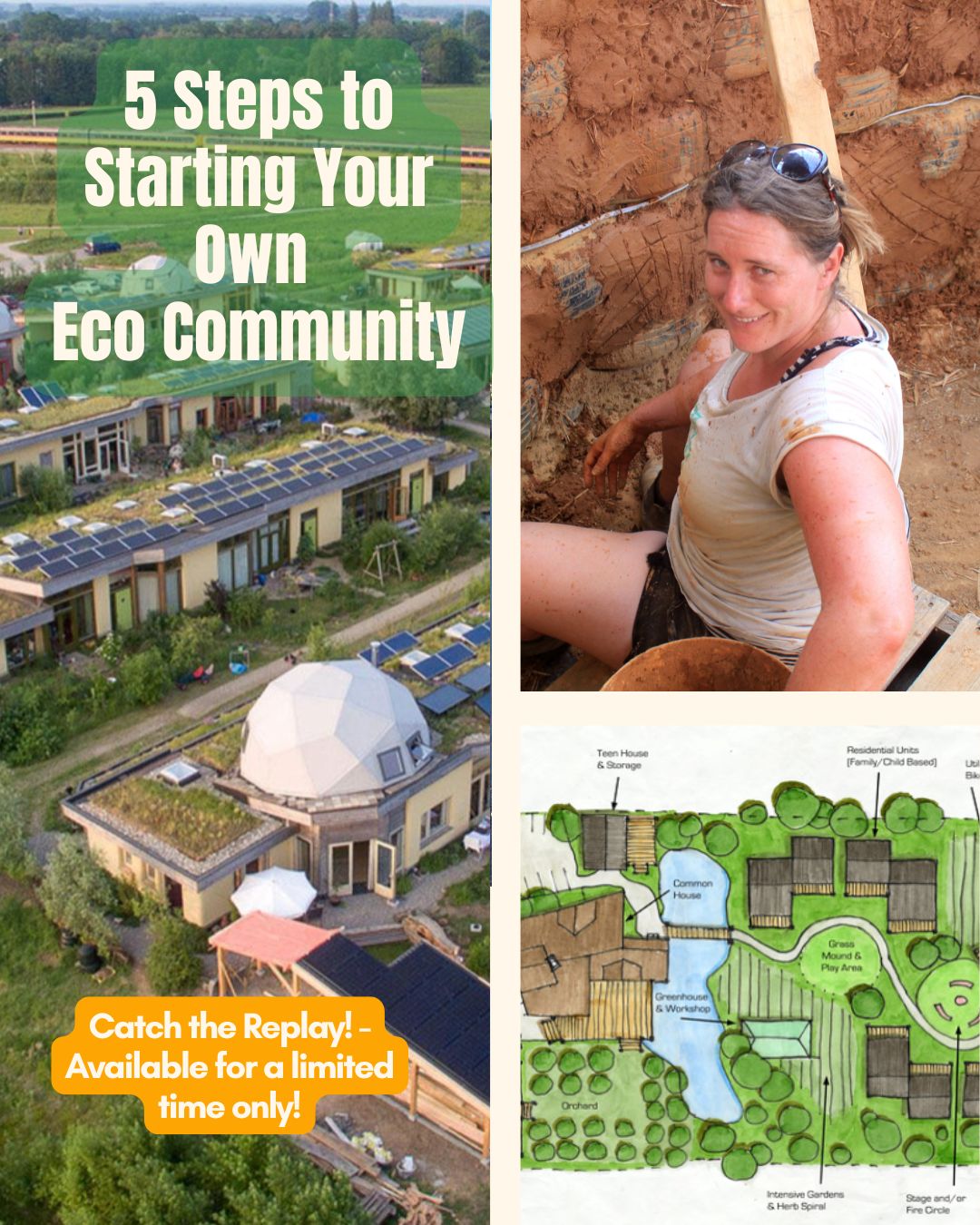
With housing affordability, social isolation and the rising cost of living becoming increasingly important issues, more Australians are exploring alternative ways to live. One option gaining interest is landsharing: purchasing land collectively and creating a place where multiple households can live, share resources and build a connected community.
While the idea of buying land with friends or like-minded people and creating a shared rural property might sound appealing, there are important considerations around ownership, planning, infrastructure and governance. Getting the foundations right can make the difference between a successful community and a complicated arrangement.
What is landsharing?
Landsharing generally involves multiple individuals or households living on the same parcel of land, often with a combination of private dwellings and shared facilities.
It can take many forms, from a few families purchasing a rural property together to established intentional communities with shared gardens, workshops, common buildings and infrastructure.
It’s worth distinguishing between a few commonly used terms:
- Landsharing: Multiple households sharing ownership or use of a single property.
- Co-housing: Private homes designed around shared facilities and opportunities for social interaction.
- Intentional communities: Groups of people who consciously choose to live together around shared values, goals or lifestyles. This can be in multiple occupancy or ecovillages or some kind of strata arrangement.
These models can overlap, but their ownership, planning and management arrangements can be quite different.
How can multiple people own one property?
One of the most important decisions when establishing a shared property is determining how the land will be owned.
Two common approaches worth exploring are tenants in common and collective ownership through a company structure.
Tenants in common
A tenants-in-common arrangement allows two or more people to own shares in a property. Each person holds a defined percentage of the overall property, which does not necessarily have to be equal.
For example, four households might purchase a property together, each holding a 25% interest. Alternatively, ownership shares could reflect different financial contributions.
This can provide a relatively straightforward way for people to collectively purchase land without subdividing it into separate titles.
However, owning a percentage of the property does not automatically give someone exclusive legal ownership of a particular dwelling or section of land. Occupation rights, decision-making, maintenance responsibilities and what happens if someone wants to leave or sell their share need to be carefully documented.
Collective ownership through a company
Another option is for a group to establish a company that purchases and owns the land. Participants then hold shares in the company rather than directly owning a percentage of the property.
This can provide a framework for managing collective ownership, responsibilities and decision-making through company rules and a shareholders’ agreement.
It can also establish processes for new members joining, existing members leaving, financial contributions and management of shared assets.
However, company ownership introduces additional legal, accounting, taxation and financing considerations. The right structure depends on the circumstances of the group, the intended use of the property and its long-term objectives.
Neither approach is automatically better. Independent legal, financial and taxation advice is essential before committing to either structure.
Planning for multiple homes on one property
Buying land collectively is only the beginning. One of the biggest challenges is understanding what can actually be built and occupied.
Planning regulations differ between states and territories. Rural zoning does not necessarily mean multiple dwellings are permitted, and calling a development an intentional community does not exempt it from planning requirements.
Before purchasing land, investigate:
- Whether multiple dwellings are permitted.
- Minimum lot sizes and subdivision restrictions.
- Secondary dwelling and tiny house regulations.
- Bushfire, flood and environmental overlays.
- Access, road requirements and building approvals.
- Water supply, wastewater and energy infrastructure.
It’s particularly important to understand that off-grid living does not mean being exempt from building, planning or health regulations. Wastewater treatment, potable water and building safety still need to meet applicable requirements.
This is why understanding the planning framework before purchasing land is so important. A property that looks perfect on paper may not necessarily allow the development you have in mind.
Designing for privacy and community
One of the great opportunities of shared land living is the ability to create a place that supports both individual independence and collective connection.
Good design is central to achieving this balance.
Private homes provide personal space, while shared facilities encourage interaction and cooperation. These might include communal kitchens, gardens, workshops, outdoor entertaining areas, children’s play spaces or shared workspaces.
Infrastructure can also be shared. A collective approach to water harvesting, solar energy, batteries, wastewater systems, food production and equipment can reduce duplication and potentially lower costs.
Thoughtful site planning can create natural opportunities for people to come together while ensuring every household has privacy and autonomy.
The benefits go beyond housing
Perhaps one of the most compelling aspects of landsharing is the potential social and mental health benefits.
Modern life can be surprisingly isolating. Many people live independently, often with limited support networks and increasing pressure to manage everything themselves.
Shared living can help rebuild the sense of community that has traditionally existed in neighbourhoods and extended families.
Having people nearby can create opportunities for everyday social interaction, practical support and a greater sense of belonging.
There can also be significant benefits for families. Shared childcare, collective supervision of children, communal meals and access to a wider network of trusted adults can make everyday life easier.
Sharing resources can reduce the financial and environmental burden on individual households. Rather than every family needing its own workshop, machinery, vehicles, gardens or recreational facilities, these resources can be shared.
Importantly, this doesn’t mean everyone needs to share everything. Successful communities establish boundaries, expectations and agreements that respect individual needs.
From dream to reality: Planning before purchasing
Landsharing offers an exciting opportunity to rethink how we approach housing, affordability, sustainability and community. But successful shared properties don’t happen by accident.
They require careful planning, a suitable ownership structure, clear agreements, good design and a shared understanding of how the community will operate.
This is also why understanding land purchasing and planning regulations is so important before committing financially.
Through my Build Outside the Box sessions, we explore the practical considerations involved in buying land and navigating the planning process for alternative and unconventional building projects. Understanding what is possible, what approvals may be required and what to investigate before purchasing can save considerable time, money and heartache.
For anyone considering buying land collectively, developing an intentional community or exploring alternative housing arrangements, these are conversations worth having early.
Buying land with friends can be a wonderful way to create something that would be difficult to achieve individually. It can also bring complexity if expectations, responsibilities and exit arrangements haven’t been discussed from the outset.
The most successful projects recognise that they’re not simply creating multiple houses on one property. They’re creating a framework for people to live together.
Perhaps it’s time we looked beyond the traditional model of one household, one block and one set of resources, and considered what we could achieve by working together.
You can also check in with us through our directory listing to get planning consultation for any of these options.
Sharing land could be about much more than sharing the cost of property. It could be about creating a better way to live.