Permaculture and Building Design: Where Ecological Wisdom Meets the Built Environment
2025-12-15
Sustainable House Day: How Opening Doors Is Helping Australia Build a Greener Future
2026-01-12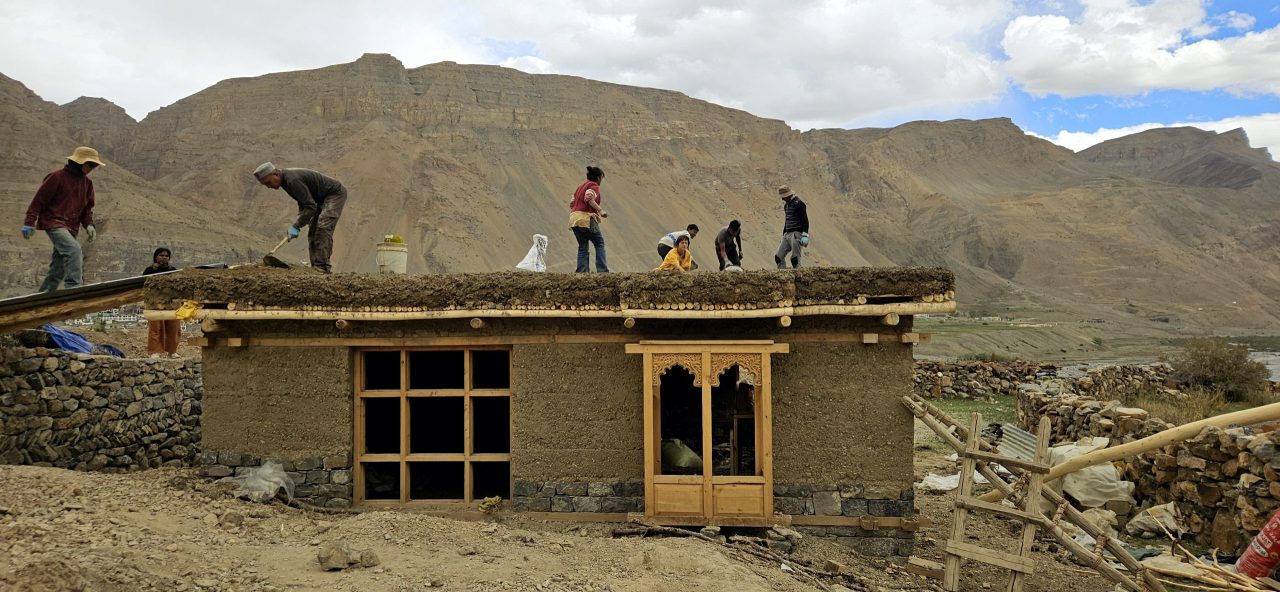
Once upon a time, all homes were constructed from natural materials.
Out of necessity, humans learned to take locally abundant resources and shape them into shelter. Over generations—and in some cases millennia—these structures were modified, adapted, and refined to meet human needs within specific climatic and cultural contexts.
Long before easily accessible electricity and mechanised heating and cooling, people designed with place in mind. Homes were created to passively remain cool or warm depending on their environment. This approach to building is what we now refer to as vernacular architecture. In some parts of the world it remains the norm, but increasingly it is under threat—undermined by market economies, industrial materials, and the pursuit of perceived modernity.
Vernacular architecture, and the master craftspeople who create it, have much to teach us about sustainability. System design rooted in hyper-local knowledge, material science, and efficient resource use deserves a central place in architectural education and practice.
High in the Himalayas, at an average elevation of 3,700 metres, a Tibetan community lives in a cold desert region now known as the Spiti Valley. Although currently within the borders of India, this area was once part of the greater Guge Kingdom of Tibet. Remote and largely cut off from the outside world until the 1970s—and only opened to foreigners in the 1990s—Spiti remains one of the most spectacular regions on Earth.
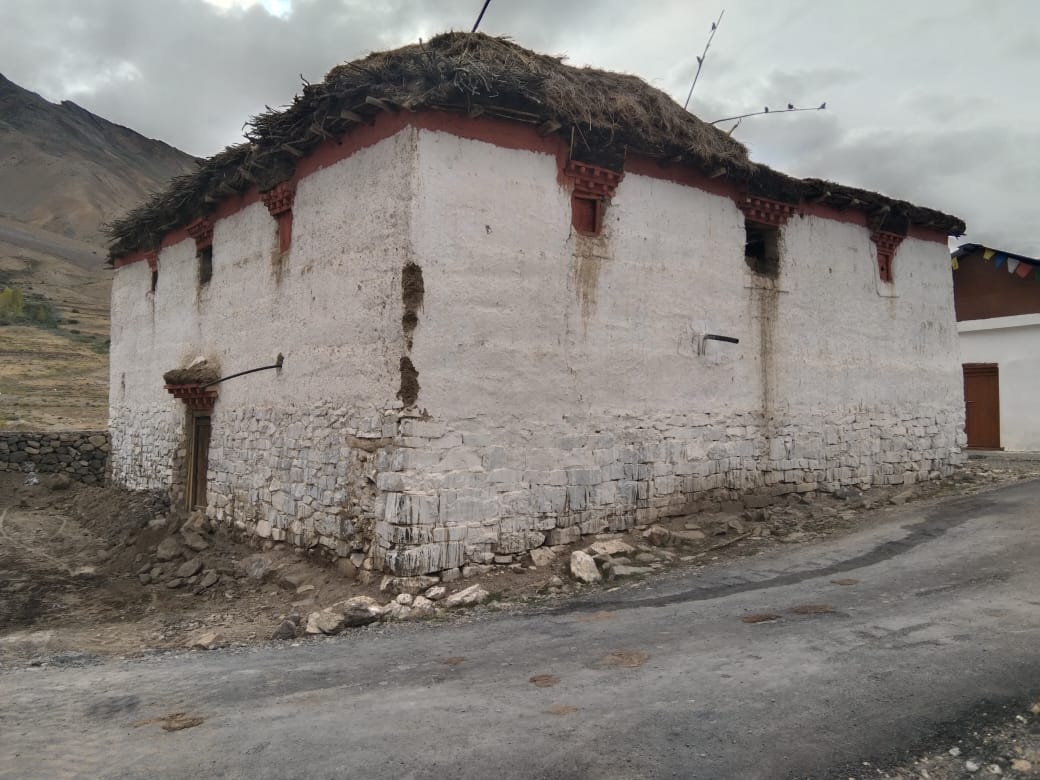
Until just five years ago, buildings in Spiti were constructed entirely from natural materials. Rammed earth was the primary construction method, with adobe used in some villages. In this high-altitude desert, where precipitation falls mainly as winter snow, flat mud roofs were the norm. Timber was used sparingly; forests were days away on foot, and transport was arduous.
In recent years, however, the region has undergone a dramatic shift toward hybrid construction. Cement and steel—particularly reinforced concrete beams and cement plasters—are becoming standard, while rammed earth and adobe are relegated to infill.
What has driven this change? Increased disposable income. A tourism boom, combined with successful apple and green pea farming, has significantly raised local spending power. Industrial materials are now seen as aspirational. Corporate marketing has persuaded communities that the natural resources they have relied on for centuries are inferior to those purchased from the market.
For anyone interested in natural building, this transformation feels deeply tragic.
One organisation is working to counter this trend. Indi Architecture is a social enterprise dedicated to conserving vernacular architecture and the knowledge of the master craftspeople who create it. When the founder, Kimberley—an Australian now living in India—first visited Spiti in 2015, she was inspired by the locals’ sustainable lifestyle and resolved to support the conservation of this highly intelligent and uniquely Spitian architecture.
Fast forward to 2025, and Indi Architecture is three years into its first heritage reconstruction project: Once Upon A Time.
The project aims to showcase the beauty and intelligence of local vernacular architecture while keeping traditions alive as living practices. A modest 150-year-old rammed earth home has been carefully deconstructed and rebuilt from the ground up, reusing most of its original materials.

The rammed earth walls were crumbled, rehydrated, mixed, and pressed once again between formwork to create new walls capable of standing for another 150 years. Locals believe that earthen walls exposed to decades of smoke from indoor cooking actually become stronger when reused. All of the juniper, deodar, and poplar timber from the original home has found its place in the new structure. In Spiti’s extremely dry climate, timber can last for generations. The traditional architecture here was not only natural—it was entirely reusable.
A conscious decision was made to retain the original layout of the home, paying tribute to the intelligence of its design. The name Once Upon A Time is an invitation to recognise the wisdom embedded in the walls—to marvel at how these resilient mountain communities shaped the earth beneath their feet into homes that allowed them to thrive in temperatures ranging from –30°C in winter to +30°C in summer.
Passive and active solar strategies have been integrated into the rebuilt home, applying bioclimatic design principles that build upon ancestral knowledge. Ornamentation has been carefully replicated from the oldest buildings in the valley and brought to life through collaboration between young architects and elder master craftspeople. Throughout the process, knowledge has been documented, shared, and revived.
Upon completion, the property will be used for tourism—most likely as a premium Airbnb. The intention is to demonstrate an alternative model of development: one that places local culture and craftsmanship at its core, creating immersive visitor experiences while conserving the region’s cultural landscape.
An irresistible combination of natural materials, shaped by hand into a home that reflects its climate and culture. A home that sits lightly in the landscape because it was formed from it.
The story continues through the addition of an independent kitchen and dining space, and a private cottage—each quietly demonstrating distinct aspects of Spitian architecture. At its heart, the project hopes to inspire a renewed sense of pride in local traditions, encouraging a return to the materials and building systems that have sustained this community for generations.
Once Upon A Time invites us to reconsider what we call progress—and what we risk forgetting along the way.
For those curious about the natural building principles and bioclimatic design elements that define Spitian architecture, learn more here:
To explore more of Indi Architecture’s work in conserving and reviving vernacular building traditions, visit their website.
To witness this work unfold, follow Indi Architecture on social media.