Rammed Earth Construction in the Himalayas: A Living Vernacular
2025-12-22
From Smart Materials to Earth’s Thermal Mass: Two Paths to Cooler, Greener Homes
2026-01-19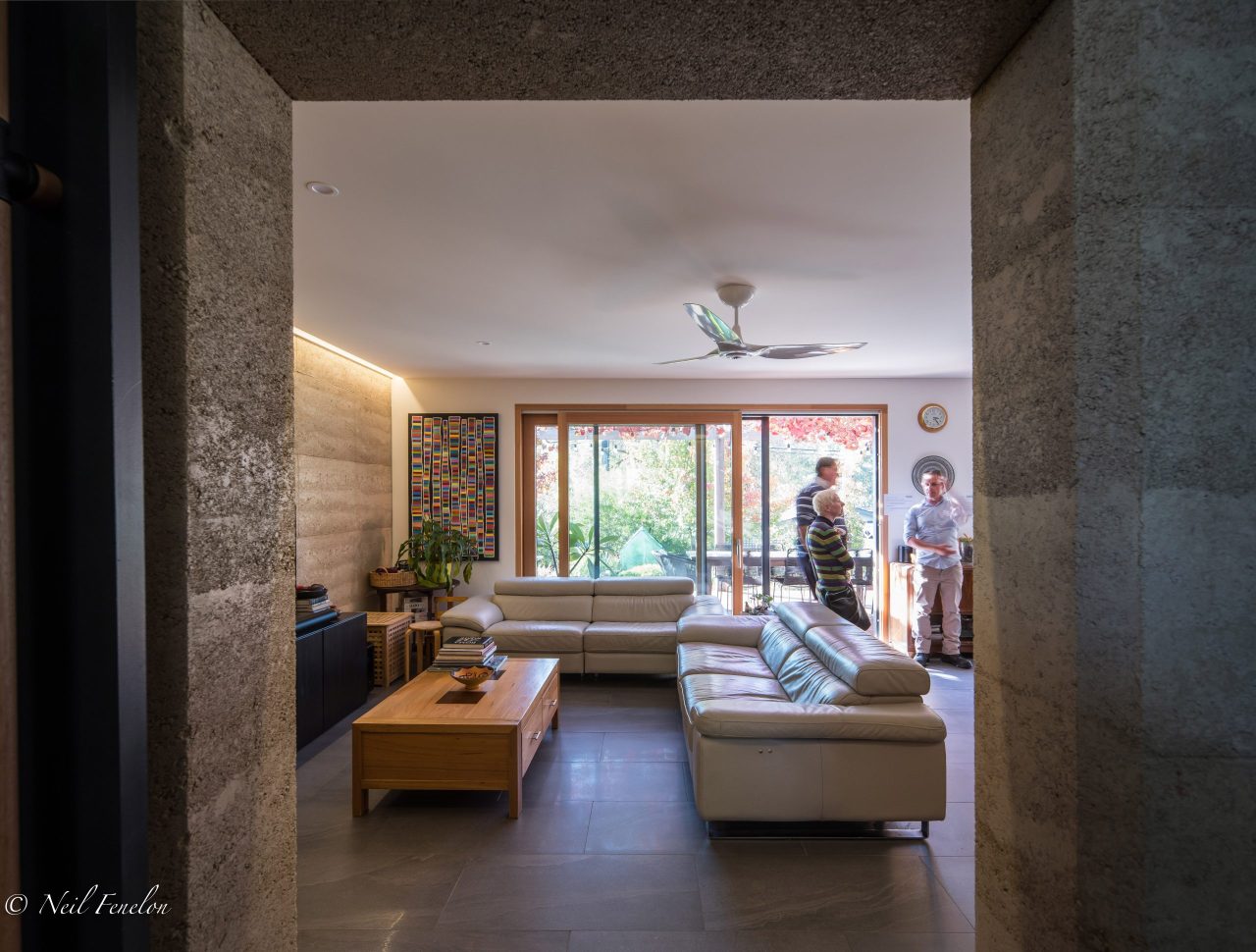
Every year across Australia, thousands of people set aside a Sunday to walk through the front door of a stranger’s home — not out of curiosity alone, but to learn how smarter design, energy-saving upgrades and sustainable choices can make their own homes more comfortable, affordable and climate-ready.
That’s Sustainable House Day, a national celebration of sustainable living that has grown from a modest event into one of the country’s most trusted peer-to-peer education platforms.
From Solar House Day to a National Movement
Sustainable House Day began in 1994, originally known as Solar House Day. At the time, renewable energy and sustainable housing were far from mainstream, and reliable, practical information was hard to find. The idea was simple but powerful: people learn best when they can see solutions in real homes and talk directly with the people who live in them.
Over time, the event expanded beyond solar energy to include passive design, energy efficiency, water-wise living, sustainable materials, electrification, retrofitting existing homes and climate-resilient design. As sustainability challenges grew more complex, so did the conversations happening inside these homes.
In 2017, the event came under the stewardship of Renew, a not-for-profit organisation that has been supporting sustainable living in Australia since 1980. With Renew’s experience in education, advocacy and community engagement, Sustainable House Day entered a new phase of growth and national reach.
What Makes Sustainable House Day Work
Unlike display homes or trade expos, Sustainable House Day is grounded in real lived experience. Homeowners voluntarily open their doors and share what worked, what didn’t, how much things cost, and what they’d do differently next time.
Visitors can explore a wide range of homes, including:
-
small and affordable retrofits
-
energy-efficient renovations
-
new builds using passive design principles
-
off-grid and all-electric homes
-
community-led and shared housing projects
Just as important as the homes themselves are the conversations. Homeowners, architects, builders and energy experts are on hand to answer practical questions — from insulation choices and window performance to heat pumps, solar systems and induction cooking.
Growth and Attendance Over the Years
What began as a small, grassroots event has steadily grown in both scale and influence.
By the mid-2010s, Sustainable House Day was attracting tens of thousands of visitors each year. Attendance figures illustrate this growth:
-
In 2016, more than 17,000 people visited around 150 homes
-
In 2017, attendance jumped to approximately 29,000 visitors
-
By 2018, the event recorded over 33,000 visits to more than 220 homes
-
In 2019, there were over 44,000 visits across 250+ properties
In response to changing needs and increased demand, the event has since expanded beyond a single day. Online tours, expert webinars and extended program weeks have allowed people to participate regardless of location, mobility or time constraints.
Recent editions have featured thousands of online attendees, tens of thousands of video views, and hundreds of homes showcased nationwide. The 2025 event included more than 230 homes, with over 150 available for in-person tours.
Sustainable House Day returns on Sunday 17 May 2026, inviting people across Australia to step inside some of the country’s most inspiring homes and learn directly from the people who designed them, built them, and live in them.
What People Learn — and Why It Matters
The impact of Sustainable House Day goes well beyond inspiration. Surveys consistently show that:
-
Around 70% of attendees feel motivated to make changes to their own homes
-
A significant proportion take action within months of attending
-
Most participants share what they’ve learned with friends, family and colleagues
This ripple effect is critical. Sustainable House Day helps normalise ideas that once seemed niche — such as electrification, high-performance insulation and climate-responsive design — and shows they are achievable at many budgets and scales.
For many people, it’s the first time they see sustainable features working in everyday homes rather than in theory. That lived proof builds confidence and reduces fear around cost, complexity and risk.
The 2025 Sustainable House Day program included a month-long online webinar series with eight live sessions held throughout May. These were designed for people interested in building, retrofitting or improving their homes with sustainable, energy-efficient and resilient strategies, and featured a mix of industry professionals, sustainable builders and homeowners sharing practical insights and experience.
The Cascading Effects
Over three decades, Sustainable House Day has contributed to a broader cultural shift in how Australians think about housing. It has:
-
increased awareness of energy efficiency and climate resilience
-
supported demand for better building standards
-
empowered homeowners to retrofit existing houses
-
strengthened local sustainability networks and conversations
It also complements Renew’s wider work, including practical guidance, publications and advocacy focused on making sustainable living accessible to more people.
Natural materials have also become a particular feature of the SHD display homes, with houses showcasing what can be done with rammed earth, hemp and much more!
Looking Ahead
Now in its third decade, Sustainable House Day continues to evolve. With a blend of in-person tours, online learning and community-hosted events, it remains relevant in a rapidly changing climate and housing landscape.
The next Sustainable House Day is scheduled for May 2026, continuing a tradition that proves one simple idea again and again: when people open their homes and share their stories, real change follows.
If you want to show your home, join a community event, or learn from others on how they did what they did, you can sign up at the SHD website here.