How to get your Rammed Earth Building Through Planning
2025-09-08
Learning Through Making: The Transformative Power of Earth Building for Architectural Education
2025-09-14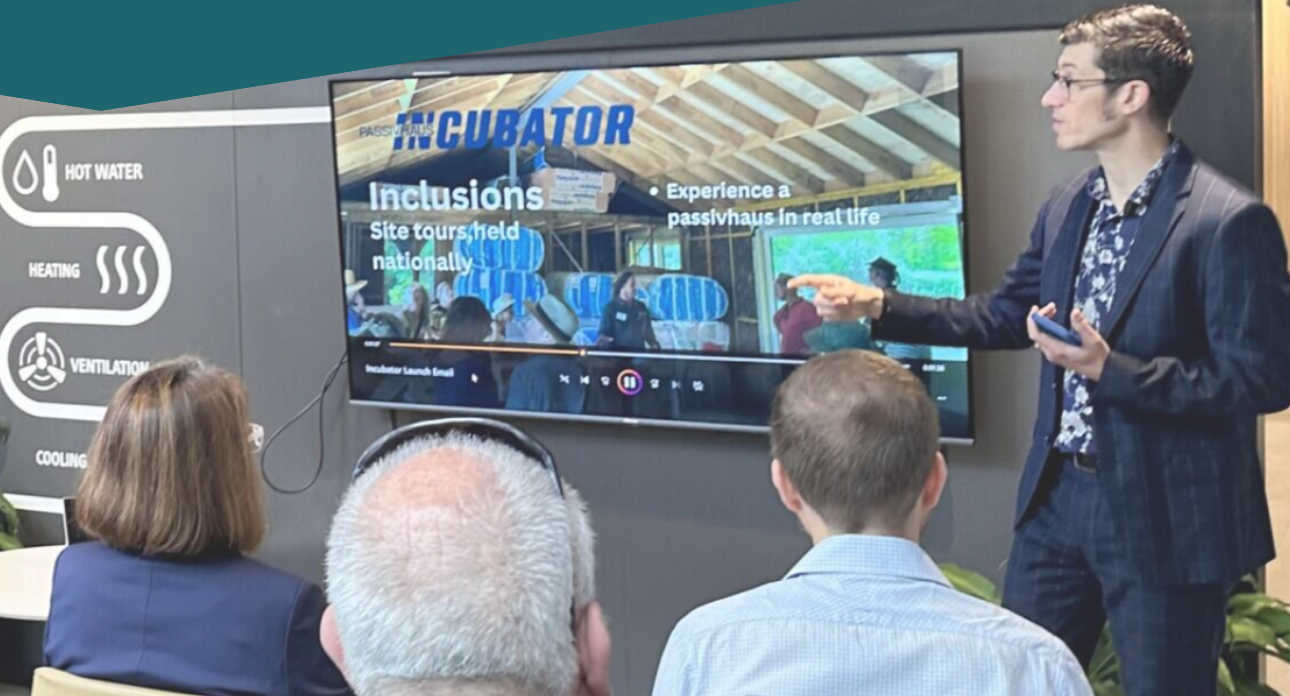
In August and September 2025, the Australian Passivhaus Association (APA) launched its inaugural Passivhaus Incubator Course, a transformative initiative aimed at equipping public servants with the knowledge and skills to champion sustainable building practices across Australia.
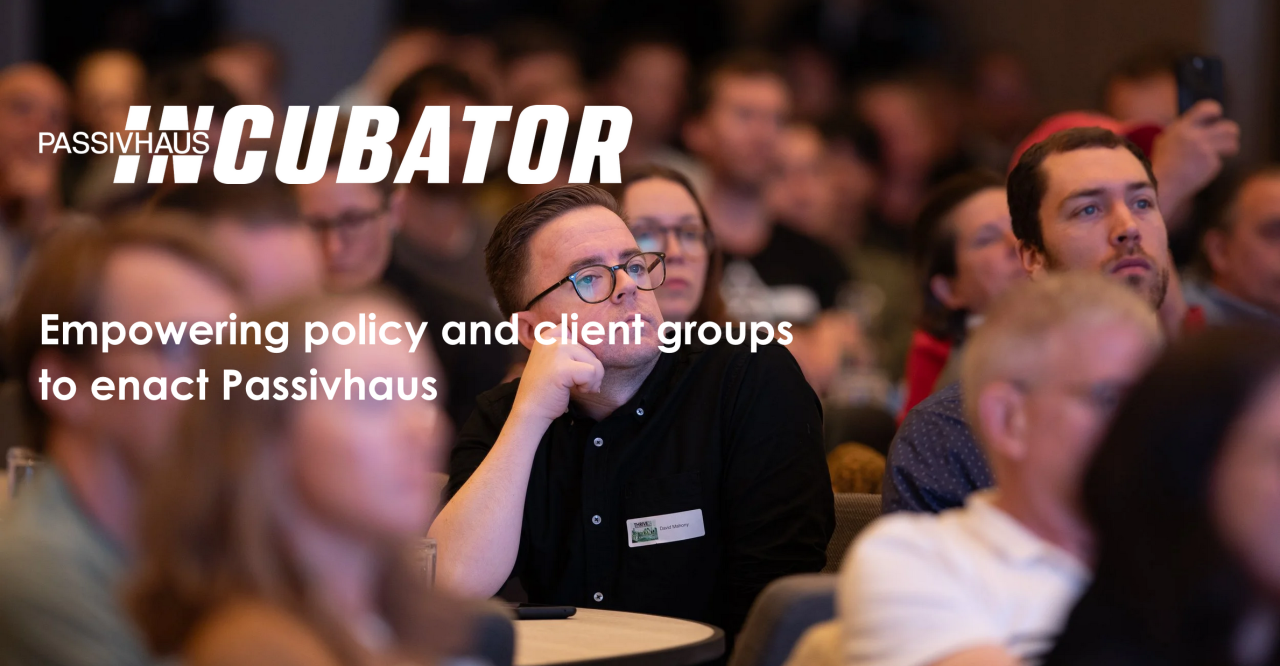
This program was designed to foster a deep understanding of the Passivhaus standard—a rigorous, science-based approach to energy-efficient building design—and to inspire a shift towards more sustainable construction practices within the public sector.
A Comprehensive Learning Journey
The course comprised 8 intensive sessions, 2 hours online, each focusing on a critical aspect of Passivhaus implementation:
-
Understanding the Passivhaus Standard
Participants were introduced to the core principles of the Passivhaus standard, including airtightness, thermal insulation, and mechanical ventilation with heat recovery. This foundational knowledge set the stage for deeper exploration into the nuances of high-performance building design. -
Design and Certification Processes
Led by Passivhaus Certifier Marcus Strang, this session provided an in-depth look at the certification process, highlighting the rigorous documentation and quality assurance measures involved in achieving Passivhaus certification. Participants gained insights into the use of the Passive House Planning Package (PHPP) software and the importance of early engagement with certifiers. -
Procurement and Contracting for Passivhaus Projects
Michael Morrissey guided attendees through best practices in procurement and contracting methodologies tailored for Passivhaus projects. Discussions centered on risk management, scope of works, and specific clauses to consider when integrating Passivhaus principles into project contracts. -
Financial Implications and Cost Management
This session addressed the financial aspects of Passivhaus projects, including cost-benefit analyses, lifecycle costing, and strategies to manage initial investment versus long-term savings. Participants learned how to present the financial viability of Passivhaus projects to stakeholders and decision-makers. -
Navigating the Australian Marketplace
The final session provided an overview of the Australian construction landscape, examining local policies, regulations, and market readiness for Passivhaus adoption. Participants explored case studies of successful Passivhaus projects within Australia and discussed strategies to overcome barriers to widespread implementation. - Global Policy & Market TransformationGlobal policy case studies and successful implementation strategies including International patterns that drive market transformation toward high-performance standards. A comparative look at the Australian policy landscape and how it can evolve to support Passivhaus uptake. This session helped participants understand how policy drives market change — and how public servants can use global lessons to push local innovation.
- PassivHaus Retrofits
The EnerPHit standard supports high-performance retrofits with some flexibility. Ideal candidates include standalone homes and ageing public buildings. However, policy gaps, funding barriers, and strata complexities limit uptake. Clearer regulations and incentives are needed. Case studies show strong energy savings, better comfort, and long-term value, highlighting retrofit’s crucial role in meeting climate and housing goals. - Internal Advocacy and bringing new concepts to the table.
Building a Collaborative Network
Beyond the technical sessions, the Incubator Course emphasised the importance of collaboration and community building. Participants were encouraged to engage with peers, share experiences, and build networks that would support the ongoing integration of Passivhaus principles into public sector projects.
The APA facilitated this by hosting celebratory events in various cities, including Sydney, Melbourne, Brisbane, Adelaide, Perth, Hobart, and Canberra, providing opportunities for participants to connect and celebrate their achievements.
Meet the Program Presenters
Kieran Leong – Director, DesignInc Melbourne
An award-winning architect and sustainability leader, Kieran Leong brings over two decades of experience in designing public and educational buildings with low environmental impact. At DesignInc, he champions biophilic and passive design, making him a powerful advocate for the integration of Passivhaus principles into mainstream architecture.
Merylese Mercieca – Director, Blue Eco Homes
With a unique background as a former respiratory nurse, Merylese combines health science with high-performance construction. As Director of Blue Eco Homes, she focuses on creating homes that promote wellbeing through airtightness, ventilation, and thermal comfort — all key tenets of the Passivhaus approach.
Alex Feng – Director, AF Project Consulting
Alex is a seasoned project manager with deep expertise in public infrastructure and high-performance building delivery. Through his consultancy, he helps local governments and developers implement Passivhaus-informed strategies that are cost-effective, code-compliant, and community-centred.
Marcus Strang – Passivhaus Certifier, Hip V. Hype
As Technical Lead and Certified Passivhaus Designer & Certifier, Marcus brings deep technical rigour to the course. He led sessions on PHPP (Passive House Planning Package), quality assurance, and certification pathways, helping participants demystify what it takes to deliver Passivhaus buildings in the Australian context.
Michael Morrissey – Partner, Speirs Ryan Lawyers
Michael is a legal expert in construction and procurement, offering valuable insights into the contractual frameworks and risk management required for Passivhaus projects. His session focused on how to embed sustainability outcomes in project delivery through thoughtful and precise legal instruments.
Linden Thorley – Principal Architect, Linden Thorley Architects
Linden is a passionate advocate for climate-positive architecture, with decades of experience designing sustainable homes and community buildings. Her work is grounded in both environmental and social outcomes, and she brings a strong regional perspective to applying Passivhaus in a diverse Australian landscape.
Nick Sowden – Builder, Sowden Building Solutions
Nick is a certified Passivhaus tradesperson and one of Australia’s few builders with hands-on experience constructing Passivhaus-certified homes. His session provided a ground-level view of what’s required on-site to meet the rigorous air-tightness and thermal bridging standards of the Passivhaus methodology.
Trent Clark – Director, Red Cedar Constructions
Trent is a licensed builder and sustainability-focused contractor, with a portfolio of high-performance homes across NSW. His experience translates the theory of Passivhaus into practical construction strategies that work in varied Australian climates and regulatory environments.
Participants in the Passivhaus Incubator received a comprehensive support package, including fully funded access to the two-month national program, exclusive site tours, resource libraries, and membership to the Australian Passive House Association (APA). They also joined an active alumni network, gained access to ongoing support (via chat, email, and phone), and received promotional opportunities for their Passivhaus work. Additional benefits included discounts on APA training and events, and a tailored Passivhaus 101 session to engage colleagues and stakeholders.
Looking Ahead
The popularity and high take up (atleast 89 people in one session) of the 2025 Passivhaus Incubator Course marks a significant step towards embedding sustainable building practices within Australia’s public sector. By empowering public servants with the tools and knowledge to implement the Passivhaus standard, the APA is fostering a future where all Australian homes and buildings are energy-efficient, comfortable, and resilient.
For more information on the Passivhaus Incubator Course and to register your interest for future programs, visit the APA website