What Can a 200-Year-Old Building Teach Us About Sustainability?
2026-09-14
Finding Land for a Natural Home: Where Do You Start?
2026-09-27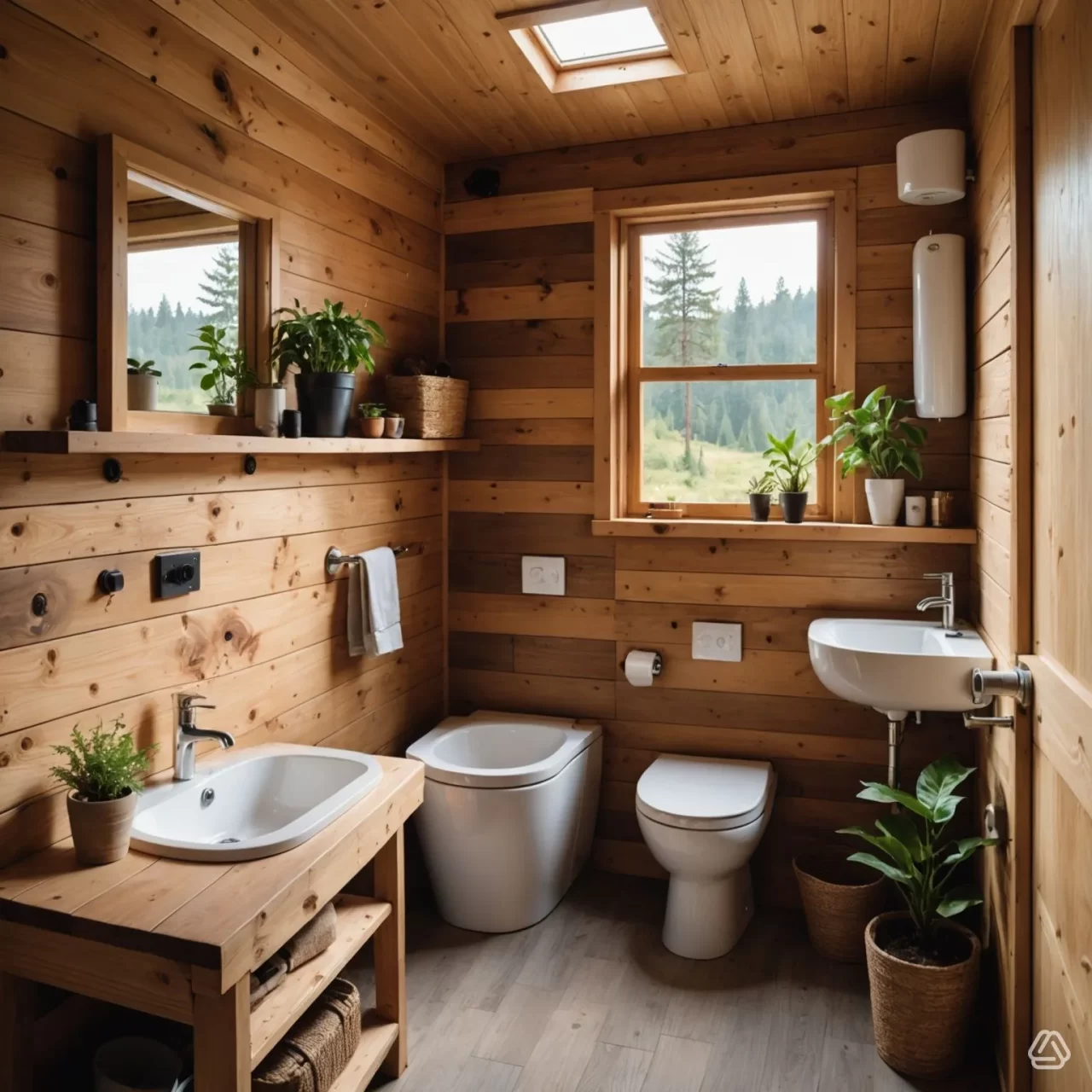
If there’s one topic that consistently generates questions from people interested in off-grid living, it’s toilets. People want to know: Can I have a composting toilet? What’s actually legal? Can I build my own? Where does the poo go? And, most importantly, can I get away with it?
The short answer is sometimes, but probably not quite in the way you imagined.
A composting toilet is a type of waterless sanitation system that treats or stores human waste without using water to flush it away. They can be a fantastic option for rural, remote and off-grid homes, particularly where water is limited or connection to sewer is impractical. But a composting toilet isn’t a magic exemption from wastewater regulations. The system still needs to appropriately manage human waste and, depending on the type of toilet, urine and other wastewater.
So, what are the options?
There are several different approaches to composting and waterless toilets. Continuous composting systems use a larger chamber beneath the toilet, with material gradually moving through the system as it decomposes. Batch systems use multiple chambers or containers, allowing one chamber to be sealed and left to mature while another is in use. There are also self-contained systems, where the toilet and treatment chamber are contained within a single unit.
Then there are urine-separating systems, evaporative systems and various DIY approaches. Importantly, not all waterless toilets actually compost waste in the same way, and some systems marketed as composting toilets are really designed to collect and contain waste rather than fully compost it on site. Understanding the difference matters when you are considering how the system will operate over the long term.
Designing a composting toilet into your home
The clever part is not just choosing the toilet itself, but designing the house around how the system will actually work. A good composting toilet can be integrated into the architecture so that the collection or composting chamber is accessible from outside, making maintenance and removal much easier without needing to carry waste through the house. This might mean locating the toilet against an external wall, placing the composting chamber underneath or behind the bathroom, or designing a dedicated service area that can be accessed independently.
Ventilation is also important, both for odour control and for the functioning of the system, and some designs use passive ventilation rather than relying entirely on mechanical fans. Urine separation can also be incorporated into the design, particularly where reducing moisture in the composting chamber is important. Thinking about access, ventilation, cleaning, maintenance and eventual removal of material at the design stage can make a huge difference.
The best off-grid systems are designed as part of the house and landscape from the beginning, rather than added as an afterthought. The toilet needs to work for the people using it, but it also needs to work as part of the broader water, waste and landscape systems around the home.
But what is actually allowed?
This is where things get interesting, because there isn’t one simple Australian answer. Wastewater and sanitation are regulated through state and territory legislation, local government and, depending on the situation, building and plumbing requirements.
In Victoria, onsite wastewater management systems require approval from the relevant council, and the EPA’s framework covers systems dealing with human excreta. Victoria’s regulatory framework also recognises composting toilets, with requirements around managing the resulting material and any liquid waste.
Western Australia takes a similarly regulated approach. The WA Department of Health states that only approved onsite wastewater products can be used, and waterless composting toilets need to meet the relevant Australian Standard or have the appropriate approval.
This means that before buying the cheapest composting toilet you can find online, it is worth talking to your local council or environmental health officer. Find out what is permitted on your particular property, whether you need an onsite wastewater approval and what requirements apply to the treatment and disposal of the resulting material.
And what about the poo?
This is where my old colleague and wastewater guru Anthony “Smitho” Smith, better known as the Water Wally, has always been particularly useful. Smitho has spent years working with homeowners and businesses across Australia on off-grid wastewater management, and his approach is refreshingly practical: understand the whole system, keep it simple where possible, and don’t pretend that wastewater disappears just because you don’t flush it down a pipe.
His Water Wally work covers composting toilets, greywater, septic systems, vermiculture and other wastewater solutions. One of the most important lessons from this kind of work is that the toilet is only one part of the wastewater system. You still need to think about urine, handwashing, showers, kitchen wastewater, greywater, septic systems, soil, groundwater, water supply and what ultimately happens to all of the waste produced by a household.
And no, you don’t necessarily get to put the finished material straight onto your vegetable garden. Material from composting toilets is not automatically sterile simply because it has been sitting in a composting chamber. How it is treated, how long it is retained and what happens to it afterwards all matter. Requirements for handling and reuse vary between jurisdictions, so this is another area where local advice is important.
Can you DIY one?
Potentially, but DIY doesn’t automatically mean unregulated. Owner-built composting toilets do exist, but depending on the circumstances they may require certification or approval.
This is one of those areas where the question shouldn’t simply be “What can I get away with?” A better question is “What sanitation system makes sense for this site, this household and the local regulations?”
That means looking at the whole site: soil, slope, groundwater, rainfall, water availability, occupancy, wastewater flows and your capacity to operate and maintain the system. A toilet that works beautifully for a weekend cabin may be completely unsuitable for a permanent family home.
Off-grid doesn’t mean off-regulation, and it doesn’t mean ignoring the realities of waste management. A good composting toilet can save water, reduce infrastructure requirements and form part of a beautifully integrated off-grid system, but the best systems aren’t simply about getting rid of poo. They are about closing loops safely and thinking about water, nutrients and waste as part of the wider landscape.
As Smitho would probably say, let’s talk about poo. And let’s make sure we know where it’s going.
This article is general information only. Requirements vary between states, territories, councils and individual sites. Always check with the relevant local authority before installing or constructing an onsite sanitation system.
Image from one Green Planet
References
- YourHome — Waterless toilets
- EPA Victoria — Manage an onsite wastewater management system
- WA Department of Health — Approved wastewater systems
- Water Wally — Consultation & Education
- National Construction Code, Volume Three — Plumbing and drainage requirements