Sustainable House Day: How Opening Doors Is Helping Australia Build a Greener Future
2026-01-12
Fire Resistance & Natural Materials: The State of Play in Australia (2026)
2026-01-26
Imagine stepping inside your home on a scorching summer day and feeling an immediate sense of relief—not because of air conditioning humming in the background, but because your walls themselves are working to keep you cool.
As heatwaves intensify and energy bills climb, researchers and designers are racing to find solutions that make our homes more resilient and less dependent on mechanical cooling.
One approach uses smart materials, otherwise known as phase change compounds, that act as thermal batteries—absorbing excess heat during the day and releasing it when temperatures drop. These innovations promise sleek, adaptable comfort without the bulk of traditional systems.
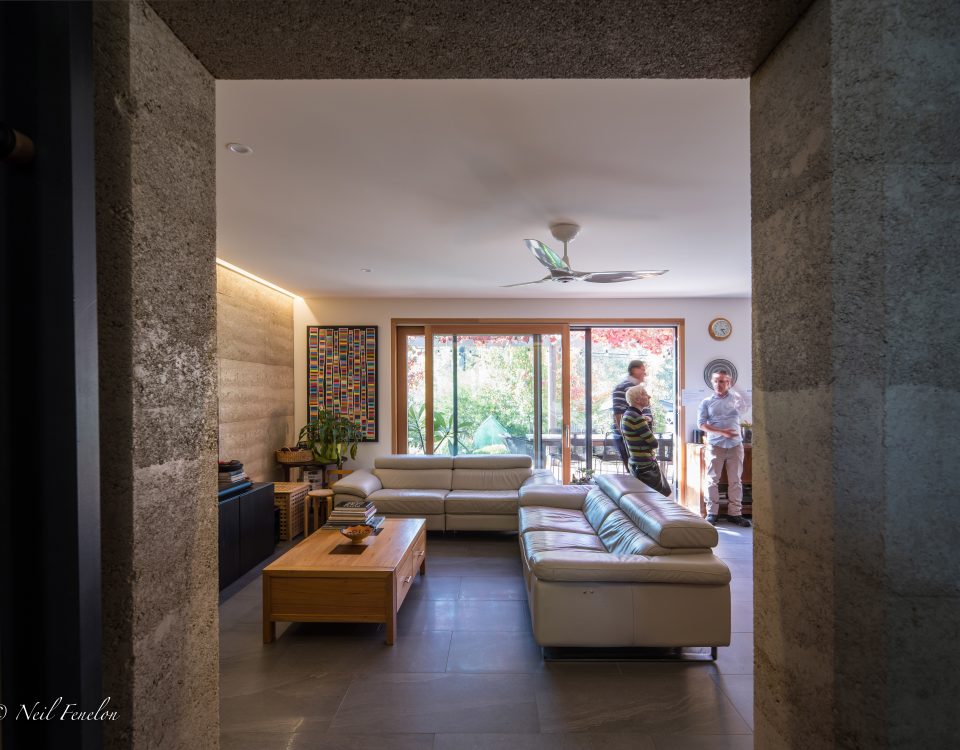
But long before smart materials entered the conversation, builders turned to the earth itself. Thick walls of rammed earth, stone, or concrete have been quietly regulating indoor climates for centuries, harnessing thermal mass to buffer temperature swings.
So how do these two strategies compare? Can cutting-edge technology outperform nature’s time-tested methods—or is the future a blend of both? Let’s dive into the science, benefits, and trade-offs of smart materials versus earth-based thermal mass.
Smart Materials: The High-Tech Thermal Battery
Smart materials, particularly phase change materials (PCMs), are engineered to store and release heat in response to temperature changes. When temperatures rise, PCMs absorb heat as they melt; when temperatures fall, they release that stored energy as they solidify. This dynamic behavior makes them ideal for moderating indoor conditions during extreme weather.
Examples of Smart Materials in Homes:
- PCM-infused plasterboard: Used in walls and ceilings to absorb heat during the day and release it at night.
- Roof tiles with PCM layers: Designed to reduce heat transfer into the attic space.
- Microencapsulated PCMs in paints: Applied to interior walls for subtle thermal regulation.
- Bio-based PCMs: Derived from natural oils and fats, offering sustainable alternatives to petroleum-based compounds.
Common types of PCMs used in buildings
-
Paraffin-based PCMs (petroleum-derived, stable, widely used)
-
Bio-based PCMs (plant-based oils and waxes)
-
Salt hydrates (high energy density, but can have stability issues if not well engineered)
These are often encapsulated (micro- or macro-encapsulation) to prevent leakage and improve durability.
-
Unlike traditional insulation, which simply slows heat transfer, PCMs store energy and release it later, reducing reliance on air conditioning during peak heat and cutting energy bills year-round.
Advantages of Smart Materials:
- Responsive Comfort: PCMs react quickly to temperature changes, smoothing out daily highs and lows.
- Retrofit-Friendly: Lightweight panels or coatings can be added to existing buildings without major structural changes.
- Energy Efficiency: By reducing HVAC loads, PCMs help lower emissions and costs.
Challenges:
- Cost: Advanced materials are still relatively expensive compared to conventional options.
- Design Complexity: PCMs must be carefully selected for local climate conditions to ensure their melting point aligns with expected temperature ranges.
- Durability: Long-term performance and maintenance are still being studied.
Earth’s Thermal Mass: Nature’s Passive Regulator
Thermal mass refers to the ability of dense materials—like earth, stone, or concrete—to absorb heat slowly and release it gradually. This principle has been used for centuries in traditional architecture, from adobe homes in desert regions to stone cottages in temperate climates.
Examples of Earth-Based Thermal Mass:
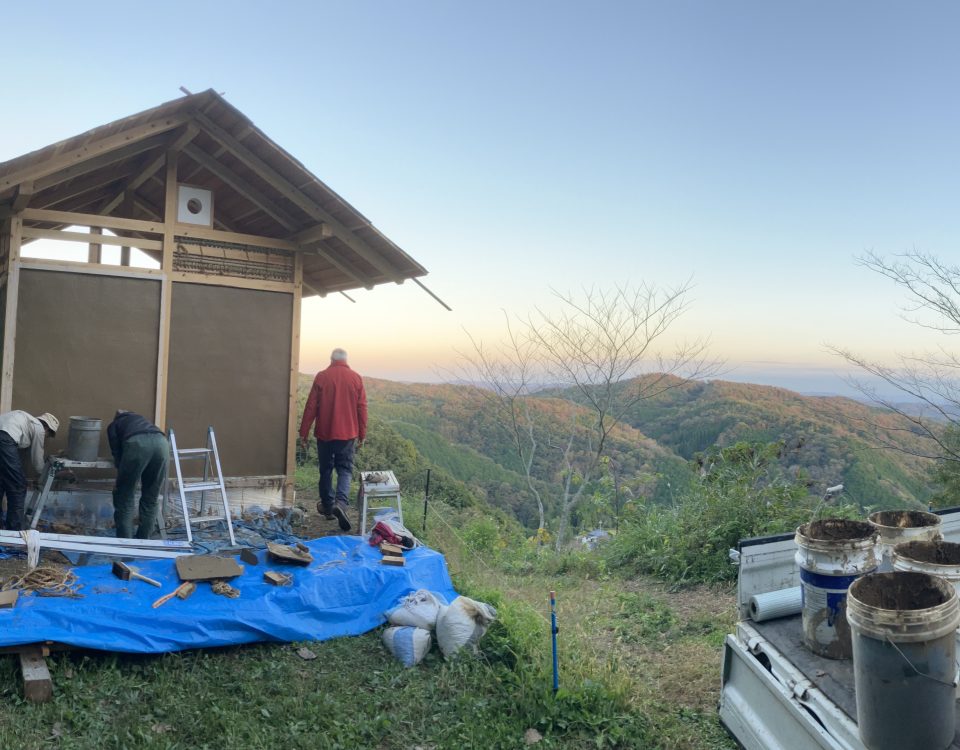
- Rammed earth walls: Thick, compacted earth walls that store heat and coolness.
- Earth-sheltered homes: Structures built into hillsides or covered with soil for natural insulation.
- Concrete floors and masonry walls: Common in passive solar homes to absorb sunlight during the day and release warmth at night.
- Earthships: Off-grid homes using recycled tires packed with earth to create massive thermal buffers.
In modern sustainable design, these strategies leverage the earth’s stable subsurface temperatures to buffer indoor spaces against extreme heat and cold. For example, an earth-sheltered home can maintain a near-constant indoor temperature with minimal mechanical heating or cooling.
Advantages of Earth Thermal Mass:
- Passive Resilience: Thick walls and floors naturally moderate temperature swings without active systems.
- Longevity: Once built, these structures require little maintenance and last for decades.
- Energy Savings: Homes with high thermal mass often need far less heating and cooling, reducing energy use dramatically.
Challenges:
- Bulk and Weight: Effective thermal mass requires thick walls or floors, which can increase construction costs and footprint.
- Design Integration: To work well, thermal mass must be paired with insulation, ventilation, and orientation strategies.
- Climate Dependence: Works best in regions with significant day-night temperature variation.
Head-to-Head: Smart Materials vs. Earth Thermal Mass
| Feature | Smart Materials (PCMs) | Earth Thermal Mass |
| Behavior | Active heat storage via melting/freezing | Passive heat absorption and slow release |
| Examples | PCM plasterboard, roof tiles, paints | Rammed earth walls, concrete floors, Earthships |
| Installation | Lightweight, retrofit-friendly | Requires thick walls or slabs |
| Cost | Higher upfront for advanced materials | Higher labor and material costs initially |
| Energy Impact | Targets peak loads, reduces AC usage | Year-round buffering, minimal HVAC needs |
| Maintenance | Potential material degradation | Extremely low, lasts decades |
Smart materials and earth-based thermal mass each offer compelling advantages—and important trade-offs—when it comes to creating safer, more resilient buildings. Phase change materials (PCMs) shine in their responsiveness: they absorb and release heat precisely within comfort ranges, can be retrofitted into lightweight buildings, and reduce peak cooling loads. However, they rely on industrial processing, careful temperature matching, and long-term material stability. Safety depends on proper encapsulation, fire ratings, and responsible installation to avoid leakage or off-gassing.
Earth-based thermal mass takes a slower, heavier approach. Materials like rammed earth, stone, and concrete regulate temperature passively, with minimal maintenance and proven longevity. They are inherently non-toxic and fire-resistant, offering strong safety credentials when well engineered. The trade-offs are bulk, higher upfront labour, and the need for thoughtful design integration. One offers precision and adaptability; the other, durability and trust built over centuries.
As climate extremes become more frequent, these solutions aren’t just about comfort—they’re about survival and sustainability. Homes that can self-regulate temperature reduce strain on energy grids, lower emissions, and protect vulnerable populations during heatwaves.
Final Thoughts
Smart materials represent a new frontier of building science that may be applicable in some situations, offering flexibility and precision. Earth-based thermal mass, on the other hand, is a proven, low-tech solution that has stood the test of time. Both approaches have unique strengths and limitations, and we’re still curious to see if new materials stand the test of time compared to the qualities we know and love in earth.