Hemp Hurd Industry Update
2025-10-27
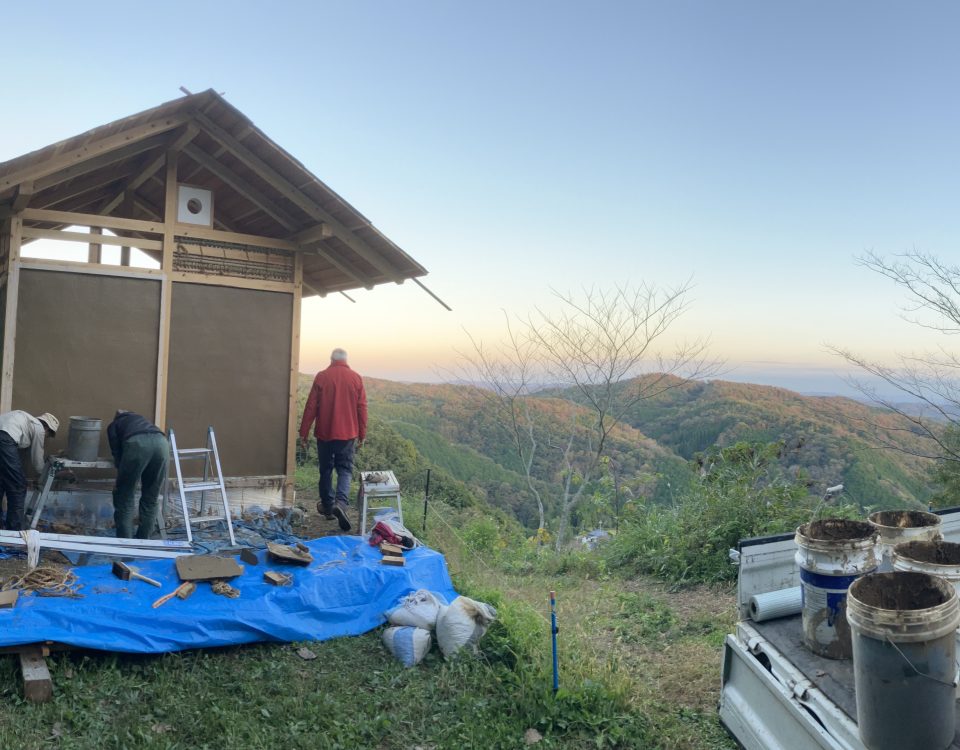
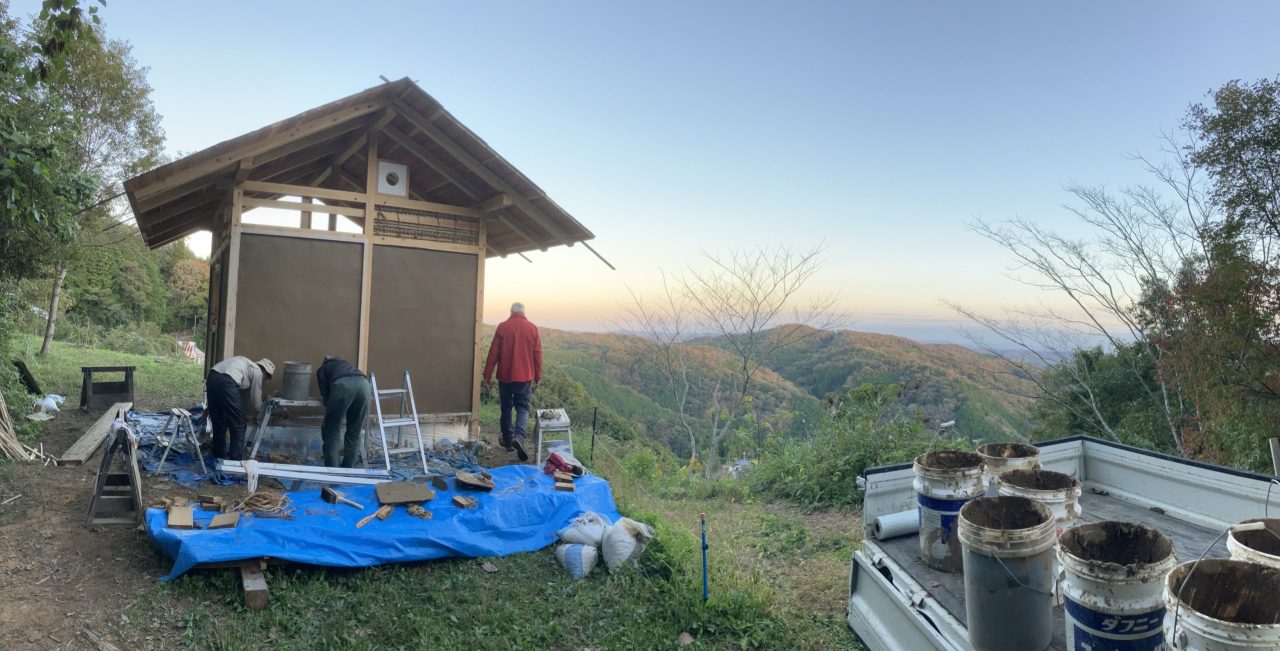
Learning the Fine Art of Traditional Japanese Plaster
2025-11-10
Walk into a traditional Moroccan hammam or riad and you’ll likely notice it — a soft, seamless sheen that catches the light like polished stone, yet feels alive under your fingertips.
That’s tadelakt, an ancient lime plaster technique that transforms walls into something both earthy and elegant.
There’s nothing quite like it. Smooth as river pebbles, slightly warm to the touch, with a depth that paint or tiles can’t imitate — tadelakt doesn’t just cover a surface; it becomes part of the space.
Where It Comes From
Tadelakt was born in Marrakech, Morocco, centuries ago. Craftspeople discovered that the local lime, when mixed with water, natural pigments, and a touch of olive oil soap, could be polished into a waterproof, gleaming finish. Originally used to line water cisterns and baths, its beauty soon found its way onto the walls of palaces and hammams.
The word “tadelakt” itself comes from the Arabic dellek, meaning “to rub” or “to massage,” which describes the finishing process — the repeated hand-polishing that gives it its characteristic shine and depth.
How It’s Made and Used
Tadelakt starts with lime plaster — a breathable, mineral-based mix that’s applied in several layers. Once the surface begins to firm up, it’s compressed and burnished with a smooth stone, traditionally a river pebble. The final polish comes from applying a natural soap solution (often olive oil soap), which reacts with the lime to form a thin, water-resistant layer of calcium stearate.
This finish can be used almost anywhere:
-
Bathrooms and wet areas instead of tiles
-
Kitchen splashbacks
-
Fireplaces or feature walls
-
Benchtops, basins, or decorative niches
Its seamless, organic look suits both traditional and contemporary homes — anywhere you want to feel a sense of calm, connection, and craftsmanship.
Why Use It?
Tadelakt offers something rare in modern materials: beauty with breathability.
It’s entirely natural — no synthetic resins or plastics — and it regulates humidity instead of trapping it. That means it helps prevent mould and allows walls to “breathe,” a quality that supports healthier indoor environments.
Aesthetically, it has a depth that paint and tiles can’t match. Each wall reflects the hand that shaped it — slightly irregular, luminous, and alive. Over time, it develops a patina rather than deteriorating, softening with age like leather or stone.
Is It Good for Bathrooms?
Yes — and that’s where tadelakt truly shines.
Because it was originally used to waterproof Moroccan bathhouses, it naturally suits showers, bathrooms, and even basins. When properly applied and maintained, it’s remarkably durable and resistant to moisture. The key is craftsmanship: tadelakt requires care and skill to apply well, but when done right, it can last for decades.
Unlike tiles, there are no grout lines to clean. Instead, you get a single, seamless surface that feels calm and grounding — perfect for creating a spa-like space.
What It Makes You Feel
Living with tadelakt changes your relationship with your surroundings. Its gentle curves and hand-burnished finish invite touch. Light glides across it differently throughout the day, shifting from matte to satin to a soft glow.
People often describe spaces finished in tadelakt as soothing, warm, and timeless. There’s a sense of being enclosed by something natural, rather than manufactured — a quiet luxury that doesn’t shout but settles the mind.
How Much Work Is It?
Tadelakt is not a quick finish — it’s a craft.
Each layer must be applied with care, allowed to set, then polished and sealed by hand. It takes time and skill to perfect, which is part of its cost and charm. But those who work with it often say the process itself is meditative — a rhythm of motion, water, and stone that feels ancient and grounding.
For homeowners, it’s worth knowing that maintenance is gentle but necessary: occasional re-soaping helps preserve its water resistance and luster.
A Living Finish for Modern Homes
In a world of mass-produced surfaces, tadelakt stands apart — alive, tactile, and made from earth and patience. It offers not just a finish, but a feeling: of being connected to place, to material, and to a lineage of makers stretching back hundreds of years.
Whether it lines your shower, softens your living room walls, or simply inspires your next project, tadelakt reminds us that natural beauty often comes from the simplest ingredients — lime, sand, soap, and time.
How To Learn More
If you’re inspired to try tadelakt yourself, there are many opportunities around the world to learn this ancient craft hands-on. Workshops often combine practical skill-building with an understanding of natural materials — from mixing lime and pigments to the slow, rhythmic polishing that gives tadelakt its unique depth and shine.
While courses in Australia are still emerging, there are excellent training opportunities abroad. Schools such as PomiMomi Permaculture in Japan, The School of Natural Building (UK), Les Grands Ateliers or Amaco (France), and Stone House Studio (USA) regularly offer workshops in natural plasters, including tadelakt.
You’ll also find independent artisans in Morocco running immersive training for those wanting to learn directly from the source.
These programs are perfect for builders, designers, and curious creatives who want to blend sustainability, traditional craft, and contemporary design — bringing the art of tadelakt to new contexts and cultures.