Let’s Talk Tiny: The Rise of Natural-Material Tiny Houses in Australia
2025-12-01
Permaculture and Building Design: Where Ecological Wisdom Meets the Built Environment
2025-12-15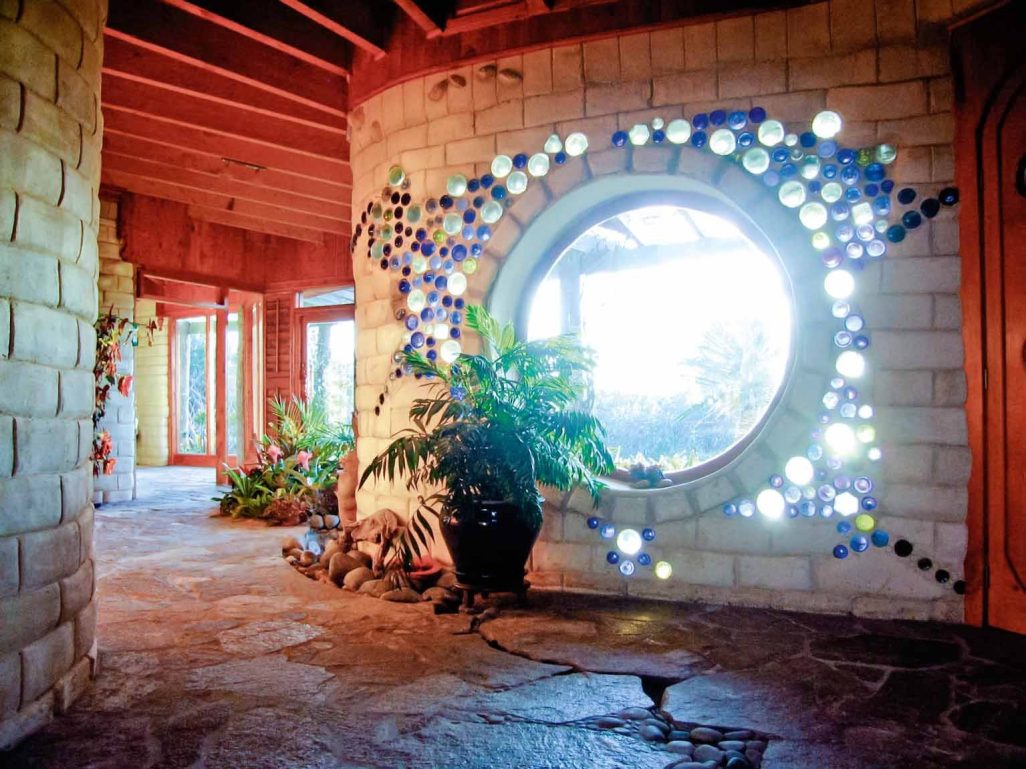
Windows are one of the most influential elements in any home’s performance.
They control how light enters a space, how heat moves in and out, and how air circulates. When placed thoughtfully, windows can dramatically improve comfort, reduce energy use and create a home that feels naturally balanced throughout the year.
Why Windows Matter in Passive Design
In passive design, the goal is to work with the climate rather than against it. Windows play a central role because they influence solar gain, daylighting and ventilation. The right windows in the right places allow a home to stay warm in winter, cool in summer and comfortable without relying heavily on mechanical heating or cooling. Their size, location and shading all contribute to how well a building responds to seasonal changes.
What Good Window Placement Can Achieve
Positioning windows carefully can transform the performance of a home. North-facing windows in many Australian climates allow low winter sun to reach deep into the interior, providing free warmth when it’s needed most. Shaded correctly, these same windows prevent overheating in summer. East-facing windows bring gentle morning light, while west-facing windows should be treated carefully because they tend to capture harsh afternoon heat.
Good placement also supports cross-ventilation pathways that flush out warm air, reduce dampness and improve the overall indoor environment. Well-designed window layouts enhance natural light throughout the day, reducing the need for artificial lighting and creating a healthier, more uplifting home.
The Benefits of Having Fewer Windows
More windows do not necessarily mean better performance. Strategic restraint is often essential in passive design. South-facing windows in cooler climates can lose large amounts of heat, making rooms harder to keep warm. West-facing windows tend to introduce extreme summer heat unless shaded effectively. Reducing unnecessary glazing helps maintain better thermal performance and lowers the cost of construction and ongoing energy use.
Fewer windows can also simplify privacy, noise control and internal layout. Choosing quality, well-performing windows in the most useful locations is almost always a smarter approach than maximising glass area.
Using Windows for Passive Ventilation
Windows are powerful tools for passive ventilation. When aligned to create crossflow, they allow fresh air to move from one side of the home to the other, pushing out stale air and cooling the interior. High- and low-level windows can be combined to create a stack effect, where warm air escapes through upper openings while cooler air is drawn in below. Operable louvres, clerestory windows and openable skylights can further enhance airflow.
Effective ventilation strategies change with the seasons. In summer, opening windows during cooler parts of the day can purge heat. In winter, selective opening maintains air quality while preventing excessive heat loss.
Windows and Natural Materials
In natural building, windows work in harmony with materials like earth, straw, timber and lime. These materials have thermal mass, breathability and moisture-regulating qualities that respond well to appropriate window design. Sunlight entering through well-positioned windows can gently warm earthen walls during winter, storing heat and releasing it slowly. In warmer months, shading becomes crucial to prevent the same materials from absorbing too much heat.
Natural materials perform best when indoor humidity is balanced. Good window placement and operability support steady airflow that prevents mould and moisture build-up without sacrificing warmth. Timber frames, earthen renders and lime plasters benefit from breathable conditions, making window design an integral part of the building system.
The Importance of Shading Windows
Shading is one of the most effective yet overlooked aspects of passive design. Without proper shading, even the best-placed windows can introduce unwanted heat. External shading is the most efficient option because it blocks sunlight before it reaches the glass. This can be achieved with roof overhangs, pergolas, verandahs, deciduous trees, adjustable screens or external blinds.
Correctly sized eaves allow low winter sun to enter while blocking the high summer sun. Adjustable shading, such as operable louvers or shade sails, gives greater control during transitional seasons. Vegetation can also play a strategic role, providing shade in summer while allowing filtered light in winter once leaves drop.
Shading not only improves comfort but also protects natural materials. By reducing direct sun exposure, you help maintain the longevity of timber frames, earthen plasters and finishes that can be sensitive to prolonged UV exposure. Shaded windows also reduce reliance on cooling systems, supporting both energy efficiency and long-term resilience.
Bringing It All Together
Thoughtful window design is one of the most effective ways to improve the performance of a home. Well-placed and well-shaded windows can balance light, warmth and airflow while reducing energy use and enhancing comfort. When combined with natural materials, careful window design creates buildings that feel more grounded, responsive and connected to the local climate. With attention to orientation, ventilation and shading, windows become a fundamental part of a healthy, efficient and sustainable home.
Window inspiration is drawn from legendary New Zealand natural builder Grame North, with the photo coming from Life and Leisure
For everything Passive House windows check out this post by NBA member Talina Edwards