Honouring the Past, Building the Future: Mudbrick Restoration at Montsalvat
2025-10-06
Building or Extending with Hempcrete: Is It Worth It for a Renovation?
2025-10-20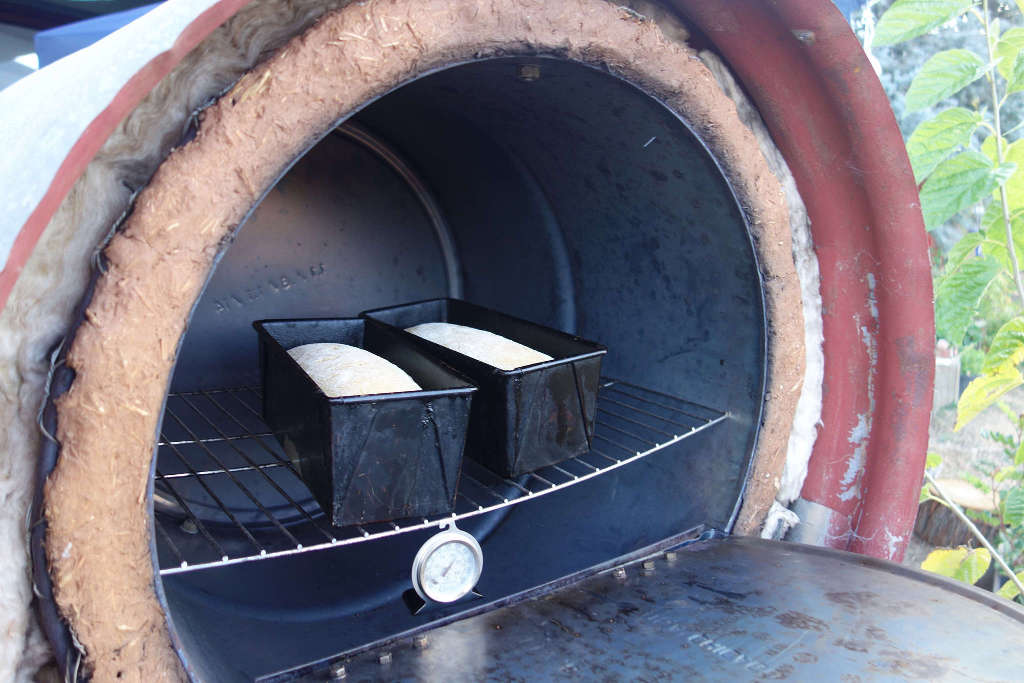
For thousands of years, humans have used fire not just for warmth, but as a central pillar of our food systems. While the stovetops and ovens in our kitchens today seem worlds away from the simple fire pits of early human settlements, they all operate on the same essential principles: combustion, containment, and heat transfer.
This blog is a tribute to that lineage — a deep dive into earth ovens, their global history, and how these humble cooking tools evolved into the hyper-efficient, wood-sipping rocket stoves of today.
What Is an Earth Oven?
An earth oven (also called a clay oven, cob oven, or mud oven) is a simple, ancient cooking structure made from natural materials like clay, sand, straw, and earth. Traditionally, these ovens are dome-shaped structures built either partially submerged in the ground or above it, often with thick walls designed to absorb, retain, and slowly release heat.
The general principle is straightforward:
-
A fire is built inside the oven.
-
The walls absorb the heat from the flames.
-
Once the oven reaches the desired temperature, the fire is removed or pushed aside.
-
Food is placed inside and cooked by radiant heat and stored thermal energy.
While they vary in size and design, most earth ovens are used for baking bread, roasting meats and vegetables, and even cooking pizza. In their modern form, they’re often built using cob—a mixture of clay, sand, and straw—sculpted around a temporary sand mold to create the void.
A (Very) Brief History of Earth Ovens
We don’t know exactly when humans began using earth ovens, but archaeological evidence suggests that earth pits lined with hot stones were used for cooking as far back as 20,000 years ago. These early ovens were often just pits dug in the ground, where fires were built and allowed to burn down to coals. The hot earth and embers would then slowly cook food over time, sometimes buried under leaves or covered with earth.
Over time, as fuel became more scarce, people across the globe refined their oven designs to burn hotter, retain heat longer, and consume less wood. Rather than digging into the ground, they began to build ovens above ground using the very same earth — just arranged more deliberately.
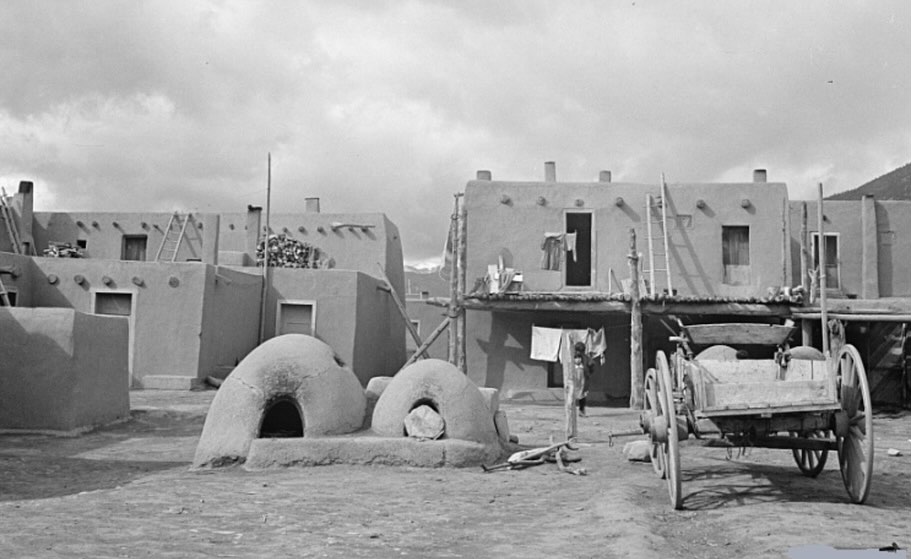
Photos taken from Earthen Shelter FB
Some notable traditional ovens include:
-
Hornos used by the Tiwa people in New Mexico — dome-shaped adobe ovens still used for bread and roasts.
-
The Tandoor in India, a vertical clay oven used for breads and skewered meats.
-
The Tannour in Egypt, a similar vertical oven, used especially for flatbreads.
-
Taboons in Palestine, often hand-sculpted by women and used for flatbreads and stews.
-
Communal clay ovens in Hungary, Argentina, and Bolivia—used by several families at once.
-
Beautifully sculpted ovens in Quebec, shaped with sand before being encased in cob.
No matter the continent, these ovens show a shared human instinct: to shape fire into a tool of nourishment.
Why Do Earth Ovens Work So Well?
Earth ovens work not just because of their simplicity, but because of how well they manage heat:
-
Thermal mass: The thick walls of clay and cob soak up a lot of heat from the fire, storing it like a battery.
-
Radiant cooking: Once the fire is out, that heat radiates inward, cooking the food evenly.
-
Moisture retention: The slow, sealed cooking environment keeps food tender and flavorful.
-
Efficient fuel use: A well-built oven can reach high temperatures with surprisingly little wood.
Beyond function, there’s something deeply satisfying about cooking in an oven you built with your own hands, from materials gathered on site.
From Earth Ovens to Rocket Stoves: The Evolution of Efficiency
While earth ovens are beautiful, functional, and steeped in tradition, they do take time — time to build, time to heat, and time to cook.
This leads us to the modern evolution in fire-based cooking: the rocket stove.
What Is a Rocket Stove?
A rocket stove is a super-efficient, clean-burning stove designed to maximize heat output while minimizing fuel consumption and smoke. It uses a small combustion chamber and a vertical insulated chimney, which creates a “rocket”-like draft effect that pulls air and flames up, burning wood at a high temperature and releasing very little smoke.
Key features:
-
Burns twigs and small sticks, making it incredibly fuel-efficient.
-
The vertical design promotes complete combustion.
-
Can be built from recycled materials, bricks, or cob — just like earth ovens.
-
Ideal for outdoor cooking, off-grid living, camping, or emergency preparedness.
Why Rocket Stoves Work So Well
Rocket stoves work on the same foundational principle as earth ovens — efficient use of heat — but they achieve it through smart airflow rather than thermal mass.
Here’s why they’re so effective:
-
Insulated combustion chamber keeps the fire hot, improving combustion.
-
Horizontal feed tube allows wood to be fed gradually without opening a door.
-
The “chimney effect” creates a powerful draft that keeps the fire oxygen-rich.
-
Minimal smoke due to high-temperature, efficient burn.
-
Can boil water or cook food faster and with far less fuel than an open fire or conventional camp stove.
A Shared Philosophy: Cook More, Waste Less
Whether you’re baking bread in a traditional Palestinian taboon or boiling stew over a backyard rocket stove, both systems reflect a shared human desire: to do more with less. To build a tool that turns scarce fuel into nourishing food — cleanly, efficiently, and beautifully.
As energy costs rise and sustainability becomes more urgent, these ancient and modern technologies alike offer solutions grounded in common sense and time-tested wisdom.
They remind us that low-tech doesn’t mean outdated — it often means elegant, resilient, and brilliantly simple.
Want to Build One?
We’ve had the joy of building earth ovens using the same methods passed down for centuries:
-
Shaping the oven void with sand or sandbags or just newspaper.
-
Sculpting cob by foot.
-
Adding insulation and firebrick for maximum performance.
From traditional designs in New Mexico, Egypt, and India to our own hand-built backyard ovens, this process is as creative as it is practical.
We also love exploring rocket stove builds — some using recycled bricks, others using cob for a natural look and feel.
Rocket Stoves as a Gateway into Natural Building
One of the most exciting things about rocket stoves is how accessible they are, especially for those new to natural building. Unlike a full-scale cob house or earth oven, a rocket stove can be built in a single afternoon using simple, often salvaged materials—clay, sand, straw, bricks, even old cans. This low-cost, low-risk project introduces you to the core principles of natural building: working with your hands, mixing cob, understanding thermal mass and insulation, and tuning in to how fire and air move through space. It’s a hands-on way to learn foundational skills while creating something functional and deeply satisfying. Many people who build a rocket stove find themselves inspired to go deeper—whether it’s building an earthen oven, rocket mass heater, or even a small cob structure.
To find out more you can watch this video. And the Permaculture Institute site has a blog on it where you can also order this ebook written by Joel Meadows and Tim Barker.
Photos taken from https://permacultureprinciples.com/